






A Pact Unveiled
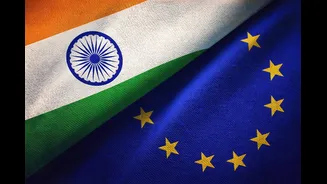
The culmination of negotiations between the European Union and India has resulted in a comprehensive trade agreement. This accord marks a significant step
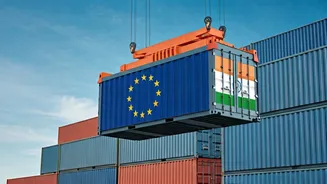
towards bolstering economic cooperation between the two regions. The agreement's primary objective is to facilitate smoother trade flows by reducing or eliminating tariffs on a wide range of goods and services. The resulting tariff reductions are poised to generate substantial cost savings for businesses on both sides, which will likely stimulate a surge in trade activities. The finalized agreement showcases a mutual commitment to strengthening their economic partnership and fostering a favorable environment for investment and commercial activities.
Tariff Reduction Impact
One of the most notable features of this agreement is the substantial reduction in tariffs on EU exports to India. The estimated impact of this measure indicates a reduction of €4 billion in tariffs. This reduction is anticipated to make EU products more competitive within the Indian market. Businesses, especially those in sectors with high tariffs, will likely see considerable benefits. These benefits include improved profit margins, increased competitiveness, and greater market access. This initiative is expected to attract more EU businesses to explore and expand their operations in India, thereby boosting investment and driving economic growth within the region.
Broader Economic Benefits
Beyond tariff reductions, this agreement is set to create various economic benefits. The increased trade activity resulting from the tariff cuts will stimulate economic growth, creating new jobs and improving living standards in both India and the EU. The agreement is also anticipated to enhance the competitiveness of both economies on a global scale. It will lead to greater integration of supply chains, thereby improving efficiency and reducing costs. Moreover, the agreement lays the groundwork for further economic cooperation. It includes provisions for areas such as investment, intellectual property rights, and sustainable development. These elements combine to form a solid framework for enduring economic growth and cooperation.
Sectors Expected to Thrive
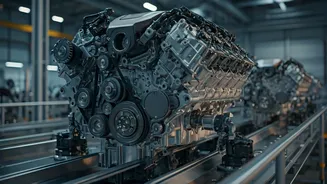
The trade agreement is predicted to have a significant impact on several sectors. Industries that have previously faced high tariffs will likely experience substantial advantages. Sectors such as machinery, automobiles, and pharmaceuticals are expected to gain from the tariff reductions, making their products more accessible and competitive in the Indian market. In addition, the agreement is likely to stimulate growth in the services sector, including financial services and information technology. This surge in trade will increase the demand for various products and services, creating opportunities for businesses. Overall, the agreement will enhance economic activity and contribute to an environment of innovation and growth across many sectors.
Future Implications
Looking ahead, this trade agreement serves as a landmark moment in India-EU relations, laying the foundation for an enhanced partnership. The successful conclusion of this deal reflects the shared dedication of both parties to strengthen their economic ties. It suggests potential for deeper collaboration in different areas such as digital trade and green technologies, opening up avenues for future agreements. The agreement can also serve as a model for other trade partnerships, demonstrating how effective negotiations and a commitment to mutual benefits can stimulate economic growth and cooperation. It represents a significant stride toward a future defined by increased trade, collaboration, and mutual economic prosperity between India and the EU.