



Surprising Dietary Link
A comprehensive study conducted in Sweden, spanning over two decades and involving nearly 28,000 adults, has uncovered an intriguing correlation between
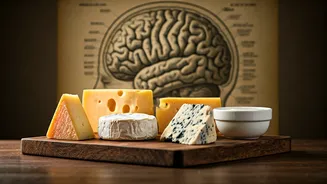
the intake of specific full-fat dairy products and a diminished likelihood of developing dementia. The findings are particularly noteworthy for full-fat cheese and cream, suggesting that regular consumption, under certain conditions, might offer a protective effect on cognitive function. This research, published in the Neurology Journal in December 2025, tracked participants for 25 years, during which approximately 3,200 individuals were diagnosed with some form of dementia. The analysis revealed that those who incorporated higher quantities of full-fat cheese into their diet exhibited a reduced incidence of Alzheimer's disease. This positive association was most pronounced in individuals who did not possess known genetic markers for the condition, hinting at a complex interplay between genetics and diet in dementia prevention. Specifically, participants consuming more than roughly 50 grams of full-fat cheese daily showed a 13% to 17% lower risk of Alzheimer's compared to their counterparts who ate less. This suggests that for a significant portion of the population, dietary choices could play a meaningful role in cognitive health outcomes, offering a novel perspective beyond traditional low-fat recommendations.
Cream and Other Dairy
Beyond cheese, the study also observed a similar beneficial trend associated with the consumption of full-fat cream. Participants who regularly consumed more than 20 grams of full-fat cream daily demonstrated a notable reduction in their overall risk of dementia, ranging from a 16% to 24% decrease. This finding further supports the idea that certain full-fat dairy fats might contribute positively to brain health. However, it's crucial to note that this protective effect did not extend to other dairy products. Milk, regardless of its fat content (low-fat or high-fat), did not show any discernible link to reduced dementia risk. Similarly, fermented milk products such as yogurt did not appear to influence cognitive health outcomes in the context of this study. Even low-fat cream failed to exhibit any clear association with a lower dementia risk, underscoring the specific nature of the observed benefits, which seem to be tied to the full-fat varieties of cheese and cream.
Challenging Dietary Norms
These findings present a compelling challenge to decades of conventional nutritional advice that has predominantly advocated for low-fat dairy choices to safeguard cardiovascular health. The rationale behind this advice stems from the well-established connection between heart health and brain health; conditions like high blood pressure, diabetes, and obesity are known risk factors for dementia. This new research suggests that the relationship between dairy fat and health might be more nuanced than previously understood. While traditional guidance focused on heart health, this study shifts the focus to cognitive well-being, revealing that full-fat cheese, in particular, may not pose the cardiovascular risks once assumed and could even be linked to lower rates of heart disease in some populations. The question of whether these benefits translate to brain health has historically yielded mixed results globally, but this Swedish study adds significant weight to the argument that full-fat dairy might play a protective role in preventing cognitive decline.
Methodological Rigor
The researchers behind this groundbreaking study took deliberate steps to ensure the reliability of their findings by minimizing potential biases. A critical aspect of their methodology involved excluding participants who already had dementia at the inception of the study, thereby preventing pre-existing cognitive impairment from influencing dietary data. Furthermore, they conducted a secondary analysis after removing individuals who developed dementia within the initial 10 years of the study. This rigorous approach helped to mitigate the possibility that early, yet undiagnosed, cognitive decline might have already led participants to alter their eating habits, thus creating a false association. This attention to detail in study design lends greater credibility to the observed links between full-fat cheese and cream consumption and a reduced dementia risk, providing a more robust foundation for these surprising conclusions.
Lifestyle Factors Considered
It is important to acknowledge that individuals who consumed higher amounts of full-fat cheese and cream in this study also tended to exhibit healthier overall lifestyle profiles. These participants were often better educated, less prone to being overweight, and reported lower incidences of conditions such as heart disease, diabetes, and high blood pressure – all factors independently known to contribute to a lower risk of dementia. The researchers accounted for these lifestyle variables, but the association between full-fat dairy and reduced dementia risk persisted. This suggests that while broader healthy living habits certainly play a role in cognitive health, the specific consumption of full-fat cheese and cream may offer an additional, distinct benefit. Future research will likely delve deeper into the specific components within these dairy products that might be responsible for these observed cognitive protective effects.