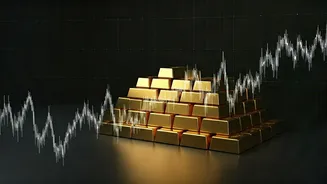







Understanding the Gold Market
Gold's allure as an investment stems from its perceived safety and ability to hedge against inflation. For many Indians, gold is more than just an investment;
it's a cultural symbol often exchanged during important life events like weddings and festivals. This deep-rooted association influences investment decisions, driving demand and impacting prices. However, understanding the global forces affecting gold is crucial. Factors like geopolitical instability, currency fluctuations, and interest rate changes can significantly influence gold's value. Ignoring these external factors may lead to poor investment choices, highlighting the importance of comprehensive market awareness before investing in gold.
Choosing the Right Gold
The gold market offers various investment avenues, and choosing the right form of gold is crucial. Physical gold, including gold coins and bars, is a traditional choice, providing tangible ownership. However, it involves storage and security costs. Gold ETFs (Exchange Traded Funds) and Sovereign Gold Bonds (SGBs) offer a paper-based alternative, eliminating storage concerns and providing liquidity. Gold ETFs track the price of gold, allowing you to invest without physically owning it. SGBs, issued by the Reserve Bank of India, pay interest in addition to capital appreciation, making them an attractive option. The choice should align with your investment goals, risk tolerance, and the level of convenience you prefer. Consider the pros and cons of each form to make an informed decision and build a diversified gold portfolio.
Timing Your Investments
Timing the gold market perfectly is nearly impossible, but understanding market cycles can improve your returns. Gold prices fluctuate due to various factors, creating opportunities for strategic entry and exit points. Consider adopting a disciplined approach, such as Systematic Investment Plans (SIPs) or a staggered investment strategy, to average your cost over time and mitigate the impact of short-term price volatility. Instead of trying to time the market perfectly, focus on a long-term investment horizon. This approach helps to overcome market fluctuations, ensuring that you can benefit from gold's appreciation potential. Regularly review and rebalance your portfolio to ensure it aligns with your financial goals. By developing a well-defined plan, investors can avoid the common mistake of making impulsive decisions driven by short-term market movements.
Diversification is Key
Relying solely on gold, without diversifying your investment portfolio, is a common pitfall. While gold is considered a safe-haven asset, it's essential to integrate it into a broader, diversified portfolio. Diversification helps to spread risk across different asset classes, such as stocks, bonds, and real estate. This strategy cushions your investments against market volatility and potential losses. The ideal allocation to gold depends on your individual risk profile, investment goals, and time horizon. Consult with a financial advisor to determine the optimal asset allocation for your portfolio. A diversified portfolio creates stability, potentially improving returns while mitigating risk. It is a proactive step that protects your investments from various market fluctuations.
Costs and Taxes Matter
Ignoring the costs associated with gold investments can significantly reduce your returns. Physical gold incurs making charges, storage fees, and potentially insurance costs. When investing in gold ETFs, there are expense ratios to consider. Furthermore, capital gains tax applies to profits from gold investments, which can diminish overall returns. It is crucial to be aware of all costs and taxes associated with your gold investments. Compare the costs associated with different gold investment options to make the most cost-effective choice. Consider the tax implications and seek professional advice to minimize your tax liability. By being conscious of the expenses involved, you can enhance your returns and improve the overall profitability of your gold investments.