







US Tariffs Impact
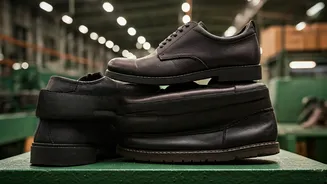
The Indian footwear industry faced a looming challenge: the potential imposition of a 50% tariff by the United States. This significant tariff increase
posed a substantial threat to the sector's financial health and global competitiveness. Such high tariffs could render Indian footwear less competitive in the US market, potentially leading to a decline in exports and a contraction in production. Consequently, Indian footwear manufacturers would likely experience decreased revenue, affecting their capacity for further investment, job creation, and overall economic contributions. The anticipation of these tariffs created an urgent need for strategic interventions.
Relief Package Details
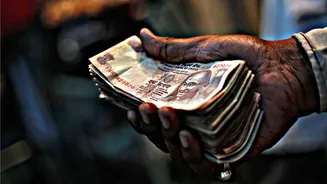
To buffer the impact of these potential tariffs, the Indian government was considering a $1 billion relief package aimed specifically at the footwear industry. While specific details were still emerging, the financial aid was envisioned as a multi-pronged strategy. This could include direct financial assistance to manufacturers to offset increased costs, incentives for modernizing production processes, and programs designed to enhance market access for Indian footwear. The substantial amount allocated reflected the gravity of the situation and the government's commitment to protecting the sector's interests. The actual implementation mechanisms were subject to fine-tuning to ensure maximum effectiveness.
Industry Implications
The proposed relief package carried significant implications for the Indian footwear industry. It had the potential to provide a crucial lifeline, helping businesses navigate the challenges posed by the US tariffs. Financial assistance could stabilize the industry, preventing widespread job losses and business closures. Incentives for modernization would likely drive improvements in production efficiency and product quality, positioning the industry to better compete globally. Furthermore, measures to support market access might include trade negotiations and efforts to diversify export markets. Ultimately, the successful implementation of the relief package was crucial for the long-term sustainability and growth of India's footwear sector, ensuring it remained a significant contributor to the national economy.
Government Strategy
The consideration of the $1 billion relief package underscored the government's broader economic strategy. It showed a proactive approach to protecting key sectors from external shocks and a commitment to supporting domestic industries. This strategy involved a combination of financial interventions, policy adjustments, and diplomatic efforts. The government may also engage in trade discussions with the United States to address the tariff issue. By providing financial support, the government signaled its dedication to promoting industrial growth and maintaining India's position in global value chains. These actions demonstrated a focus on economic resilience and protecting Indian businesses from negative international developments.
Future Outlook
Looking ahead, the future of the Indian footwear industry was contingent on several factors. The final details and execution of the relief package would play a crucial role in determining its impact. Success would also depend on global trade dynamics and the ability of Indian manufacturers to adapt to changing market conditions. The industry needed to explore strategies for innovation, product diversification, and sustainability. Ultimately, the sector’s long-term prosperity hinged on collaborative efforts among the government, industry stakeholders, and manufacturers themselves. Successful navigation of these challenges would secure the Indian footwear industry's position and enable future growth.