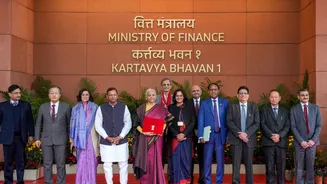

Committee's Genesis Unveiled
The genesis of the high-level committee on banking proposed in the Union Budget 2026 marks a pivotal step in strengthening India's financial ecosystem.
This initiative stems from a recognized need to modernize and optimize the banking sector. The government's decision to form such a committee is a response to the evolving complexities and challenges faced by banks. This includes navigating digital transformation, managing risk, and ensuring financial inclusion. The committee's formation signifies a proactive approach by the government to adapt to the changing landscape of financial services. It is designed to provide expert advice and strategic direction, enabling the banking sector to thrive in the face of both internal and external pressures. This forward-thinking strategy aims to address potential vulnerabilities and capitalize on opportunities to ensure the sector's long-term sustainability.
Defining Its Purpose
The primary purpose of the high-level committee is to offer strategic guidance on critical matters affecting the banking sector. Its mandate encompasses a broad spectrum, from enhancing operational efficiency to bolstering the financial stability of banks. The committee will likely analyze and provide recommendations on policy interventions, regulatory reforms, and the implementation of best practices. Furthermore, this committee will be responsible for evaluating the impact of emerging technologies and digital transformations. This will allow the committee to assess how these changes can improve banking services and customer experiences. The committee's recommendations are anticipated to assist in shaping the future of Indian banking, promoting a robust, efficient, and inclusive financial system capable of supporting India's economic growth.
Composition and Expertise
The composition of the high-level committee will be critical to its success, and it's expected that it will comprise individuals with extensive experience and expertise in the banking and financial sectors. This could include seasoned bankers, economists, financial regulators, and academic experts. The aim is to create a diverse group that brings together a wealth of knowledge and insights. The presence of diverse perspectives is essential for comprehensive analysis and informed decision-making. The committee's collective experience will enable it to thoroughly analyze the challenges and opportunities in banking. Furthermore, it will be able to propose innovative solutions and strategies to promote sustainable growth and resilience within the sector. The inclusion of various stakeholders will enable the committee to consider a range of viewpoints and address the varied needs of the industry.
Key Challenges Addressed
The high-level committee is expected to address several key challenges affecting the Indian banking landscape. A significant focus will likely be on improving asset quality and managing non-performing assets (NPAs). The committee will likely consider how to strengthen risk management frameworks, adopt best practices, and ensure regulatory compliance. Another area of focus will be on the adoption of digital technologies. This includes examining the use of fintech solutions to enhance customer service, operational efficiency, and cybersecurity. Additionally, the committee may examine strategies for expanding financial inclusion, ensuring that banking services are accessible to all segments of the population. This committee's efforts are expected to play a crucial role in building a banking sector that's capable of withstanding future economic shocks, and fostering sustainable growth.
Impact and Outcomes
The establishment of the high-level committee is anticipated to have a considerable impact on the future of Indian banking. The recommendations of this committee are likely to influence policy decisions, regulatory frameworks, and operational strategies across the sector. Banks can expect to adapt to new guidelines and initiatives as these recommendations are implemented. This may require them to revisit their business models, adopt new technologies, and enhance their risk management practices. Ultimately, the successful implementation of the committee's recommendations is expected to create a more resilient and efficient banking sector. This will contribute significantly to India's economic growth and financial stability. The outcome will be a financial system that supports innovation, fosters economic inclusion, and promotes sustainable development.