
Goldilocks Combination Explained
The term 'Goldilocks combination' in the context of agriculture refers to an ideal set of circumstances where factors align to keep food inflation under
control. These factors include optimal weather conditions, sufficient production volumes, effective supply chain management, and supportive government policies. When these elements are in balance, the supply of agricultural products meets or slightly exceeds demand, preventing drastic price fluctuations. This equilibrium is crucial for ensuring that food remains accessible and affordable for consumers, thus contributing to overall economic stability. It’s a delicate balance requiring constant monitoring and adjustment to address any potential disruptions, be it from climatic changes, logistical bottlenecks, or policy shifts.
Factors Affecting Inflation
Several factors within the agricultural sector directly influence food inflation. Weather patterns, for instance, significantly impact crop yields. Unfavorable conditions such as droughts, floods, or extreme temperatures can lead to reduced production, driving up prices. Similarly, the availability of essential inputs like fertilizers, pesticides, and seeds affects productivity. Disruptions in the supply chain, whether due to inadequate infrastructure, transportation issues, or geopolitical events, can also inflate costs. Furthermore, government policies such as import duties, subsidies, and price controls can either exacerbate or mitigate inflationary pressures. Understanding these factors and their interrelationships is essential for formulating effective strategies to manage food inflation.
Role of Crop Status
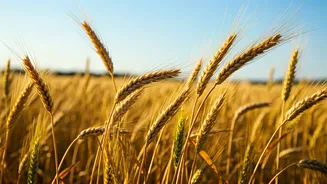
The current status of crops is a critical indicator of potential food inflation. Monitoring factors like planting schedules, crop health, and anticipated yields helps in forecasting future supply. Regular assessments provide valuable insights into potential shortages or surpluses. This information can be used to make informed decisions and adjustments. Timely interventions, such as adjusting import policies or providing support to farmers in areas affected by adverse conditions, can help stabilize prices. Consistent monitoring of crop status allows policymakers and industry stakeholders to proactively address potential issues, ensuring a stable and accessible food supply. This proactive approach is key in mitigating the impact of unforeseen events on food prices.
Government Policy's Influence
Government policies wield significant influence over the agricultural sector and, consequently, food inflation. Subsidies, especially those related to fertilizers and irrigation, can reduce production costs, leading to lower prices for consumers. Trade policies, including import and export duties, affect the availability and cost of food. For instance, reducing import duties can increase the supply of essential commodities and suppress inflation. Conversely, export restrictions might be implemented to keep domestic prices stable during periods of high demand. Furthermore, price support mechanisms and market interventions can provide a safety net for farmers. A balanced approach to government policy is essential, considering the long-term sustainability of the agricultural sector alongside the immediate needs of consumers.
Impact on Economy
The 'Goldilocks combination' in agriculture has a far-reaching impact on the broader economy. Stable food prices contribute to overall price stability, which helps control inflation. This, in turn, boosts consumer confidence and spending. Moreover, a thriving agricultural sector supports rural livelihoods, fosters economic growth in rural areas, and reduces poverty. It also improves food security, ensuring that essential nutrients are available to the population. Conversely, when food inflation rises, it can erode purchasing power, reduce consumer spending, and impact economic growth. Therefore, the effective management of food inflation is vital for maintaining a healthy and resilient economy, ensuring that economic benefits are widely shared.