







Trade Deal Significance
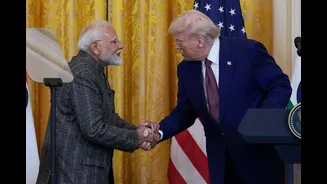
The trade agreement served as a pivotal moment, signaling a desire for increased economic cooperation between the United States and India. This pact laid
the groundwork for enhanced trade activities, encouraging investments and paving the way for further collaborative initiatives. It demonstrated a shared commitment to boosting economic growth, opening up new opportunities for businesses in both nations. The agreement facilitated the reduction of trade barriers and promoted fairer business practices. Consequently, it set the stage for continued dialogue and negotiation on important trade matters, benefiting both countries in the long run. By emphasizing mutual economic interests, the agreement provided a framework to foster stronger relationships and mutual gains, leading to increased stability and prosperity in the region and beyond. The trade deal signaled a mutual understanding of shared strategic and economic goals. This commitment created an environment where businesses could thrive, driving job growth and economic development for both countries.
Strategic Partnership Focus
Building a strong strategic partnership necessitates a multifaceted strategy that includes regular high-level dialogues and discussions on defense. Frequent communication and coordination on matters of mutual importance are important. This partnership also should encourage collaboration in areas like technology, space exploration, and cyber security. It is essential to facilitate greater knowledge sharing and joint projects in these sectors. The goal is to foster an environment where collaborative ventures can flourish. By focusing on shared strategic goals and objectives, both countries can become staunch allies. This concerted approach not only deepens the bond but also fortifies regional and global security. Moreover, it creates a conducive atmosphere for resolving international challenges through shared resources and understanding. The emphasis on strengthening strategic ties showcases a shared commitment to building a robust and resilient partnership.
Areas of Mutual Interest
Identifying and capitalizing on mutual interests is crucial for solidifying the India-US relationship. Defense and security are critical areas, with initiatives in joint military exercises and defense technology transfers. Investment in infrastructure development and energy initiatives offers numerous opportunities for both nations. Another area of focus is on climate change, facilitating collaboration on renewable energy projects, and sharing best practices in environmental sustainability. The aim is to achieve tangible results that benefit both sides. Addressing key areas such as these can significantly improve the relationship. This strengthens mutual understanding and cooperation. It also offers a framework to tackle global challenges and promote long-term stability and economic growth for both the US and India. Successful cooperation also requires a continuous assessment of current trends and challenges.
Rapid Implementation Steps
To expedite the strengthening of ties, the former President needed to act quickly. One of the first steps was to establish clear communication channels and organize meetings to discuss pressing issues. This included setting up committees and task forces. Next, there should be a commitment to easing trade rules, reducing tariffs, and promoting fair trade practices. Promoting collaboration in areas such as technology, energy, and defense is crucial to encourage innovation, resource sharing, and economic growth. The aim should be to increase cooperation between businesses and governmental bodies. Furthermore, it is important to reinforce cultural exchange programs, student exchanges, and joint research ventures. By promoting mutual understanding and appreciation, the United States and India can forge a robust and enduring partnership that benefits both countries.