




A Long Journey
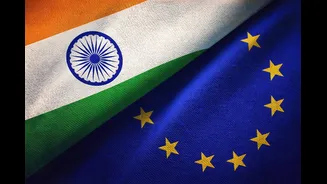
The journey to secure an India-EU Free Trade Agreement (FTA) was protracted, spanning two decades of discussions and negotiations. The talks faced numerous
hurdles and complexities, requiring persistent efforts from both sides to find common ground. Initial attempts to reach an agreement were unsuccessful, highlighting the challenges of aligning the diverse economic interests and trade policies of India and the European Union. Despite these difficulties, both parties remained committed to the goal, understanding the potential benefits of enhanced trade and economic cooperation.
Geo-Economic Shifts
Several geo-economic shifts played a crucial role in reviving and ultimately finalizing the India-EU trade talks. Changes in global power dynamics, including the rise of new economic players and shifts in existing trade relationships, created a renewed sense of urgency. The evolving geopolitical landscape, marked by new alliances and strategic partnerships, also influenced the decision to prioritize the FTA. Both India and the EU recognized the need to adapt to these changes and strengthen their economic ties to maintain relevance and influence in the global arena. These external factors provided the impetus needed to overcome past obstacles and move toward a mutually beneficial agreement.
Why This Deal Matters
The finalization of the India-EU FTA holds considerable significance for both parties, creating numerous advantages. The deal is expected to boost trade and investment flows, leading to economic growth and job creation in both India and the EU. Furthermore, the agreement will foster deeper economic integration, enhancing cooperation in areas like technology, innovation, and sustainable development. For India, the FTA offers access to a large and diverse European market, providing new opportunities for Indian businesses and exporters. The agreement also signifies a strengthening of the strategic partnership between India and the EU, reinforcing their shared values and commitment to a rules-based global order.
Key Issues Resolved
The successful conclusion of the India-EU FTA required resolving several complex issues that had previously stalled negotiations. These included tariffs and market access, addressing concerns about non-tariff barriers, and ensuring fair trade practices. Intellectual property rights, sustainable development, and labor standards also came under review. Intensive discussions and compromise were crucial in bridging the differences between the two sides. Both India and the EU showcased a willingness to adapt their positions to achieve a mutually beneficial outcome. The resolution of these contentious points paved the way for the historic agreement, marking a significant milestone in India-EU relations.
Impact on Mobility
The India-EU mobility pact, a key component of the trade deal, will ease options for Indian students and workers. The pact streamlines the process of obtaining visas and work permits, making it easier for Indian professionals to pursue education, training, and employment opportunities in the EU. This will foster greater people-to-people exchanges, enriching cultural understanding and promoting collaboration in various sectors. For Indian students, it provides access to world-class educational institutions and facilitates their integration into the European academic environment. For Indian workers, it broadens the scope of employment options and contributes to their professional development, strengthening the workforce.
Future Prospects
Looking ahead, the India-EU FTA has significant implications for future economic relations. The deal creates a framework for ongoing cooperation, opening doors for further collaboration in new areas. Both parties are positioned to explore opportunities for joint ventures, technology transfers, and investment in key sectors. The FTA is expected to catalyze innovation, creating favorable conditions for businesses to thrive and expanding economic opportunities. The success of the FTA will depend on effective implementation and the continued commitment of both sides to uphold the principles of fair trade and mutual benefit. It represents a foundation for deeper and more resilient ties between India and the EU.