







The Purity Code Revealed
Those seemingly insignificant digits etched onto your gold rings, chains, or bangles are far more than just decorative marks; they are crucial indicators
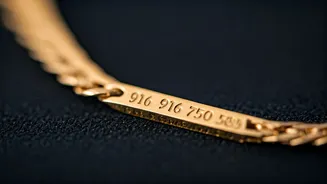
of your jewellery's gold purity. In India, the number 916 is a familiar sight, signifying that a piece is composed of 91.6 percent pure gold. This translates to 22-karat gold, where the remaining 8.4 percent is an alloy of other metals like copper or silver. This blend is essential for enhancing the durability and strength of the metal, making it suitable for everyday wear and intricate traditional designs. Understanding this fundamental aspect ensures you're aware of the intrinsic value of the gold you're acquiring, moving beyond mere aesthetics to appreciate its inherent worth.
Diverse Purity, Diverse Uses
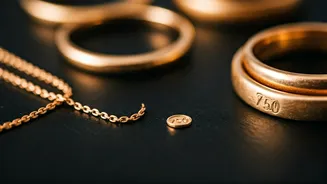
Beyond the common 916 stamp, other numerical indicators unlock different levels of gold purity and guide their applications in jewellery. A marking of 750 denotes jewellery that contains 75 percent pure gold, equivalent to 18 karats. This purity level is often favoured for setting diamonds and other precious gemstones. The reason lies in its increased hardness and resilience compared to 22-karat gold, providing a more secure and durable base for delicate stones. Similarly, the 585 stamp points to 58.5 percent pure gold, or 14 karats. This grade is frequently chosen for crafting contemporary and lighter-weight jewellery pieces, balancing aesthetic appeal with practicality and cost-effectiveness.
Understanding Hallmarking Standards
For consumers in India, the Bureau of Indian Standards (BIS) plays a pivotal role in ensuring the integrity of gold jewellery through its hallmarking system. A BIS hallmark is a testament to independent verification of the gold's purity. Modern hallmarked items typically display the BIS logo, the specific purity mark (such as 916 or 750), and a unique six-digit Hallmark Unique Identification (HUID) code. This HUID system is designed to enhance transparency, allowing buyers to trace and confirm the authenticity and specifications of their purchase. While a higher purity number directly correlates with a greater gold value, it's important to remember that your final bill encompasses not only the gold's worth but also additional costs like making charges, wastage, and applicable taxes.