




The Outbreak Unfolds
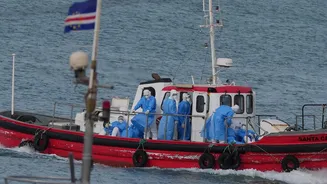
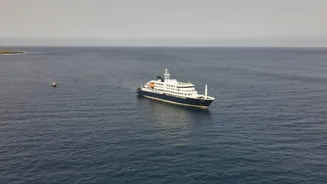
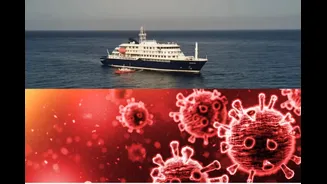
The luxury cruise ship MV Hondius, en route to Antarctica from Argentina, became the site of a severe hantavirus outbreak. The vessel, carrying approximately
150 individuals, found itself anchored off the coast of Cape Verde after reports of a cluster of passengers experiencing respiratory issues. The World Health Organization (WHO) was alerted to the situation, confirming a total of eight cases. Tragically, three individuals succumbed to the virus, while one passenger required critical medical evacuation. The remaining cases, including three on board, presented with milder symptoms. This incident raised immediate concerns given the nature of hantavirus and its potential modes of transmission, prompting swift action from health authorities.
WHO's Response and Investigation
The World Health Organization, led by Chief Dr. Tedros Adhanom Ghebreyesus, was officially notified of the concerning respiratory illness outbreak aboard the MV Hondius. The organization subsequently provided an update, detailing eight reported cases, of which five were confirmed positive for hantavirus and three were considered suspected. WHO's Director of Epidemic and Pandemic Preparedness, Dr. Maria Van Kerkhove, indicated that officials were actively investigating the possibility of human-to-human transmission, a less common but potential route for hantavirus. Initial assessments suggested that the first infected individual likely contracted the virus prior to boarding the ship, as there were no indications of rats onboard, the typical source of hantavirus.
Life Onboard Amidst Crisis
Despite the unsettling circumstances, passengers aboard the MV Hondius maintained a surprisingly high morale. Passenger Qasem Elhato shared a video depicting a sense of normalcy, with individuals engaging in activities like reading, watching movies, and enjoying hot beverages while awaiting a resolution. He described their days as "close to normal." Another passenger, Helene Goessaert, emphasized the shared experience, stating, "everyone is in the same boat, literally." She highlighted the importance of consistent and accurate communication from the ship's operators and expressed gratitude for the delivery of fresh provisions, such as fruits and vegetables, which were vital for their well-being during the extended wait. The psychological impact of such an event, compounded by uncertainty, was palpable, yet the passengers demonstrated remarkable resilience.
Understanding Hantavirus Transmission
Hantavirus, the pathogen at the center of the MV Hondius crisis, typically contaminates humans through the inhalation of airborne virus particles found in rodent droppings. Person-to-person transmission is considered rare, but not entirely impossible, a detail that health officials were carefully examining. The outbreak's initial cases included a Dutch man who passed away, his body being removed at St. Helena, and his wife, who died in a Johannesburg hospital after collapsing at the airport. A British man was also evacuated to South Africa for intensive care, and two other cases tested positive. The investigation into how the virus spread on a vessel where no rats were reported is a critical component of understanding this particular outbreak's dynamics and preventing future occurrences.
Medical Response and Evacuation Plans
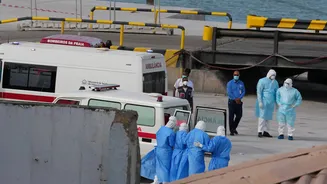
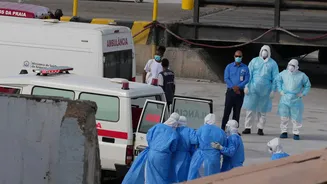
In response to the hantavirus outbreak, Cape Verdean authorities dispatched medical teams to the MV Hondius as a precautionary measure. Concurrently, South Africa initiated contact tracing efforts to manage any potential spread beyond the ship. Officials from both national and international health organizations stressed that the overall risk of a widespread public health threat remained low. The immediate priority was the medical evacuation of three individuals from the ship. Following this, the MV Hondius was scheduled to set sail for Spain's Canary Islands, a voyage anticipated to take approximately three days, where further medical attention and debriefing would likely take place.