
Silver's Current Ascent
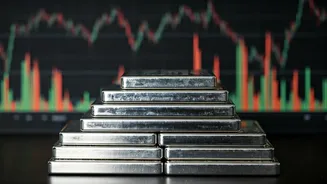
The price of silver is experiencing a notable upswing in 2026, prompting investors to assess its investment potential. A key consideration is the potential return
on investment if ₹1 lakh is committed to silver today. The attractiveness of silver as an investment stems from its dual nature—serving as both a precious metal and an industrial commodity. This duality means its price can be affected by both market sentiment and industrial demand, often leading to significant price volatility. Understanding these dynamics is essential for any investor contemplating silver.
Forecasted Growth Potential
Experts are offering projections regarding the potential growth of silver investments. These forecasts often take into account current market trends, economic indicators, and historical data to estimate possible returns by December 2026. These figures represent a hypothetical scenario and are subject to market volatility. Investors should bear in mind that predictions are not guaranteed outcomes. The specifics of any return on investment would hinge on the specific type of silver purchased, such as bars, coins, or silver-backed securities, and where the silver is stored. It's crucial for prospective investors to thoroughly research these facets before making investment decisions.
Risk Factors to Consider
Although silver can offer attractive returns, it also involves certain risks. One key risk is market volatility. Silver prices can fluctuate sharply due to global economic conditions, changes in industrial demand, and shifts in investor sentiment. Geopolitical events also can affect the silver market. Investors must be aware of the possibility of losses. Another risk is associated with storage and security. For those purchasing physical silver, the costs of storage, insurance, and the potential for theft are essential considerations. Investment in silver-backed securities also involves risks, such as the creditworthiness of the issuing entity and any associated management fees.
Impact of Economic Factors
Several economic factors can significantly influence the value of silver. Inflation, for instance, often drives investors towards precious metals like silver as a hedge against the diminishing purchasing power of currency. Interest rates can also affect silver prices. High interest rates may make other investments more appealing, potentially decreasing demand for silver. Conversely, low-interest rates may make silver more attractive. Global economic growth, industrial demand, and the strength of the U.S. dollar also exert their influence. A strong dollar can make silver more expensive for buyers using other currencies, potentially dampening demand and lowering prices. Conversely, a weaker dollar could boost prices.
Diversification and Strategies
Investors are often advised to diversify their portfolios and treat silver as one component of a broader investment strategy. Diversification helps to reduce overall risk by spreading investments across different asset classes. Considering the portfolio’s balance is crucial. Strategies such as dollar-cost averaging, where investments are made at regular intervals, can help mitigate the impact of market volatility. Furthermore, understanding the various methods of investing in silver is important. Investors can purchase physical silver, invest in silver ETFs (Exchange Traded Funds), or explore silver mining stocks. Each method carries its own set of advantages, disadvantages, and levels of risk.
Expert Insights and Advice
Experts in the financial sector offer several insights and advice to investors looking at silver. They recommend performing extensive research on current market trends and the factors impacting silver prices. Consulting with a financial advisor is recommended, as they can provide personalized guidance according to individual financial goals and risk tolerance. Staying informed about geopolitical and economic developments is also essential. Experts stress the importance of understanding all associated costs, including storage fees and transaction expenses. Remaining vigilant and flexible, adjusting investment strategies as needed in response to changing market conditions, is key for maximizing returns while mitigating risks in the dynamic silver market.