





Culinary Landscape Revealed
The state of Uttar Pradesh has officially launched its 'One District, One Cuisine' scheme, a significant initiative aimed at cataloging and promoting the
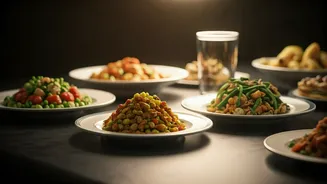
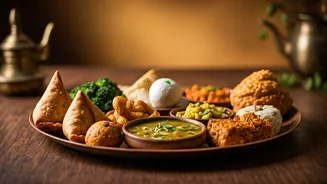
diverse food heritage of its regions. This ambitious program has successfully identified a remarkable total of 208 distinct dishes that represent the unique culinary identity of various districts. The scheme, which received state Cabinet approval on May 4th and was initially launched by Union Home Minister Amit Shah on January 24th, maps these signature foods across 18 administrative divisions and 75 districts. While the list boasts a wide array of gastronomic delights, ranging from sweets and snacks to staple meals, its exclusively vegetarian nature has sparked considerable discussion among food enthusiasts and critics alike. The omission of well-known non-vegetarian specialties has raised questions about the selection process and its inclusivity.
Notable Omissions and Reactions
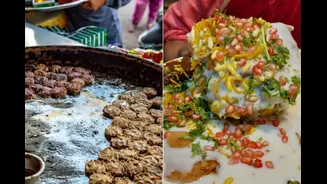
The inaugural list of 208 dishes under Uttar Pradesh's 'One District, One Cuisine' scheme has generated particular interest due to the absence of iconic non-vegetarian items. For instance, Lucknow, a city renowned for its rich Awadhi cuisine, has been associated with items like rewari, chaat, malai makkhan, and mango produce, overlooking globally acclaimed specialties such as Galauti Kabab. Similarly, Moradabad, known for its Moradabadi Biryani and various dal dishes, also sees the exclusion of its famous meat preparations. This has led to a critical response from food experts and writers. Himanshu Bajpai, a Lucknow-based writer and performer, expressed surprise at the omission of the Galauti Kabab, a dish celebrated for its tender, melt-in-your-mouth texture, even as a vegetarian himself. He emphasized the need for transparency in the selection process, questioning whether the aim was to promote lesser-known vegetarian dishes or if any bias influenced the choices.
Selection Process and Flexibility
Addressing the concerns raised, Cabinet Minister Rakesh Sachan clarified the methodology behind the 'One District, One Cuisine' list. He stated that the compilation is a dynamic and flexible framework, open to updates based on public feedback and suggestions, with the Chief Minister's approval. The selection process involved district-level committees in all 75 districts, chaired by District Magistrates and comprising educators and local specialists. These committees, alongside extensive surveys, provided recommendations that formed the basis of the finalized list. Sachan acknowledged the complexity of the task, emphasizing that it was not an easy undertaking. Regarding the absence of non-vegetarian dishes, he reiterated that the exclusion was not intentional and that such items could be incorporated in the future if recommended. The primary objective, he explained, is to promote dishes that have the potential to benefit a larger population through packaging, sales, and broader promotional efforts, rather than focusing solely on individual popular items.
Government Incentives and Promotion
To bolster the identified culinary traditions and support their creators, the Uttar Pradesh government is preparing a suite of incentives. Under the scheme, entrepreneurs can receive a 25% subsidy for establishing new food-related units, with financial assistance capped at Rs 20 lakh. The government will also provide crucial support in packaging, marketing, and branding to help local food businesses thrive. For instance, artisans participating in local 'haats' or national and international exhibitions will receive financial aid, with subsidies extending up to Rs 75,000 for national events and Rs 4 lakh for international ones. Furthermore, plans are underway to organize a food conclave in Lucknow, bringing together local halwais and culinary experts to showcase and promote these selected cuisines. While the inclusivity of non-vegetarian cooks in this conclave remains uncertain, the overall aim is to foster a vibrant food economy.
Regional Culinary Highlights
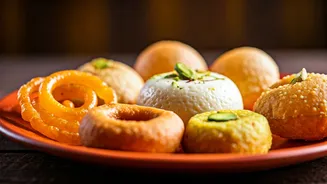
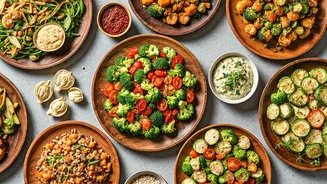
The 'One District, One Cuisine' initiative meticulously maps each of Uttar Pradesh's 18 divisions with signature foods, showcasing a diverse range of tastes and textures. The Agra division is recognized for its globally popular petha, dal moth, and gajak, while Mathura is celebrated for its peda and makhan mishri. In Eastern Uttar Pradesh, the scheme highlights rustic staples like litti-chokha in Gorakhpur, thekua in Basti, and sattu-based preparations across the Allia region. The spiritual city of Varanasi contributes cultural delicacies such as Banarasi paan, thandai, and the visually appealing tiranga barfi. Western districts like Meerut and Muzaffarnagar are noted for their gajak, rewari, and a variety of jaggery-based products. The list also features distinct regional specialties such as dal bafla in Jhansi, bedami puri in Prayagraj, and kalakand in Aligarh. Unique local products, including black rice dishes from Chandauli and amla-based items from Pratapgarh, further enrich the state's culinary representation, reflecting an effort to capture both popular and lesser-known food traditions.