




The Gut-Brain Highway
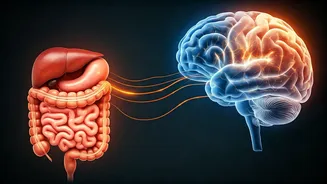
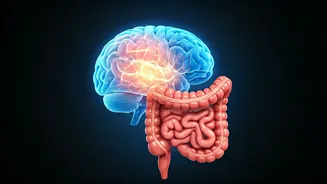
A fascinating communication network, dubbed the gut-brain axis, is increasingly understood by scientists to be crucial for overall well-being. This intricate
pathway involves the vagus nerve, a critical conduit connecting the brain to the abdomen. This nerve plays a pivotal role in regulating various bodily functions, including influencing gut bacteria to produce essential neurotransmitters like serotonin and dopamine. These chemical messengers are vital for mood regulation, motivation, and promoting a sense of calm within the nervous system. The continuous dialogue maintained by this axis ensures that the body's complex systems remain in a harmonious state of balance. This bidirectional communication is fundamental to maintaining both physical and mental equilibrium.
Digestive Woes, Mental Haze
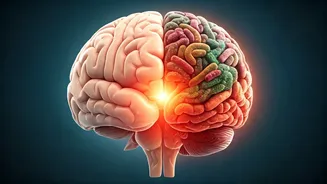
Many individuals experiencing digestive issues, such as irritable bowel syndrome (IBS) or gastroparesis, also report symptoms of cognitive cloudiness or 'brain fog.' Gastroenterologists note that patients often describe a feeling of being mentally sluggish or heavy, alongside physical discomfort like bloating and constipation. This mental haze is thought to arise from disruptions in the communication signals between the gut and the brain. Factors contributing to digestive problems, including poor diet, stress, hormonal shifts, and infections, can also be implicated in the onset of brain fog. Autonomic nervous system dysfunction, which affects the body's ability to regulate critical functions like heart rate and blood pressure, can similarly manifest with both gastrointestinal complaints and cognitive impairment.
Microbiome's Mental Role
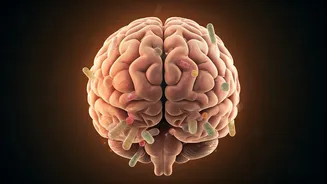
The gut microbiome, a vast ecosystem of trillions of microorganisms within our intestines, plays a significant role in cognitive function. A diverse and balanced microbiome is instrumental in bolstering the immune system, reducing inflammation, and producing the neurotransmitters that influence mood and brain activity. These microbial signals can directly affect key brain regions responsible for learning, memory, decision-making, and emotional processing, including the hippocampus, prefrontal cortex, and amygdala. An imbalance, often triggered by poor diet, stress, lack of sleep, or certain medications, can disrupt this delicate equilibrium. For instance, small intestinal bacterial overgrowth (SIBO) has been linked to brain fogginess, potentially due to the accumulation of d-lactic acid produced by certain bacteria, which can impair cognitive clarity.
Nourishing Gut, Sharpening Mind
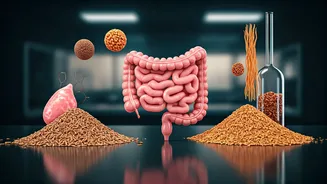
While a direct, singular method to eliminate brain fog through gut intervention isn't yet fully understood, nurturing a healthy gut environment is a promising avenue for enhancing mental clarity. Prioritizing a diet rich in fiber, found in abundant vegetables, legumes, nuts, and whole grains, provides essential nourishment for beneficial gut microbes. Incorporating fermented foods like yogurt, kefir, sauerkraut, and kimchi can further support a balanced microbiome. Alongside dietary adjustments, adequate sleep, regular moderate exercise, and mindful reduction of caffeine, alcohol, and ultra-processed foods are also recommended. Experts emphasize the long-term benefits of healthy, plant-based eating patterns over fleeting dietary trends, suggesting a holistic approach to gut health can profoundly benefit cognitive function.