





Fiscal Outlook and Deficit
The Budget 2026 is anticipated to be a pivotal event, with financial analysts projecting the government's fiscal deficit to be capped at 4.3%. Concurrently,
there is an expectation of a push towards medium-term debt consolidation strategies. These measures are designed to ensure long-term financial stability. These efforts, supported by expert analysis from ICRA, underscore the government's commitment to maintaining economic prudence and responsible financial planning for the future.
Market Reactions & Trends
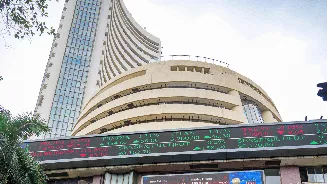
Simultaneously, the stock market's reaction to current economic events remains a key focus. Recent movements include fluctuations in the Sensex and Nifty, reflecting investor sentiments influenced by various factors. The anticipation surrounding the Budget 2026 also affects market behavior, with experts analyzing potential impacts across sectors. The performance of specific stocks, like those related to railway projects, is attracting attention as experts evaluate their prospects. These developments provide a complex picture of the interplay between government policies, market dynamics, and investor responses.
Taxation and Reforms
Discussions surrounding Budget 2026 also extend to potential tax reforms. There are expectations for tax relief measures, particularly for the real estate industry, along with a focus on streamlining the new tax regime. Financial experts are also advocating for tax clarity and accelerated dispute resolution processes to ease doing business. Additionally, the possibility of joint taxation for married couples is under consideration. These changes are expected to reshape the financial landscape and the way people handle their finances in India.
Industry Specific Outlook
Various sectors are keenly awaiting specific proposals in Budget 2026. The auto industry is looking for incentives related to electric vehicles, and clarity on the Goods and Services Tax (GST). Experts at Morgan Stanley have highlighted essential reforms needed across the auto, telecom, railways, and defense sectors. Real estate sentiment has stabilized, with increased office demand and a positive funding outlook boosting confidence. The real estate market in Gurugram, for example, attracted investments totaling Rs 86,588 crore during 2025, with RERA clearing 131 projects. These industry-specific forecasts and expectations are pivotal in shaping the overall economic strategy.
Economic Growth and Outlook
Economic forecasts indicate a positive outlook for India. Moody's projects a 7.3% growth rate for the financial year 2026, supported by an anticipated rise in insurance demand. There are also expectations that India will reach upper-middle-income status by 2030, with a $5-trillion economy within two years. Moreover, digital payment adoption continues to rise, contributing to an impressive 41% Compound Annual Growth Rate (CAGR) as digital transactions reached 22,831 crore in the fiscal year 2025. This growth signals that the Indian economy is on a path towards significant expansion and financial stability.