







Israel: Strategic Partner
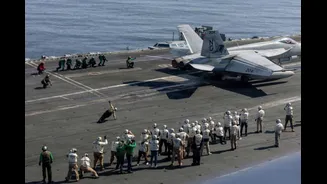
The United States has consistently viewed Israel as a vital strategic partner in the Middle East. This perspective is deeply rooted in shared security
interests and common values. This alignment has led to significant defense cooperation, including military aid, joint exercises, and intelligence sharing. The US has frequently supported Israel's security, particularly when facing threats from regional actors. Furthermore, Israel's technological prowess and its position in a strategically important region have solidified its status as a key ally in the eyes of the Pentagon. This strategic partnership is not merely transactional; it is viewed as crucial for promoting stability and safeguarding US interests in the complex Middle Eastern environment, with a strong emphasis on countering threats from adversaries like Iran and maintaining influence in the area.
Iran: Rebuilding Military
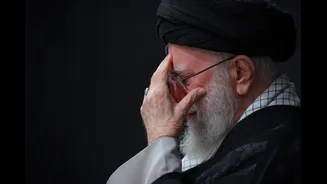
The Pentagon's strategy also includes assessing the potential for Iran to rebuild its military strength. After periods of conflict and sanctions, Iran may be keen to modernize and enhance its armed forces. This would involve acquiring new weaponry, improving training, and refining military doctrines. This assessment is not just about Iran's intentions but also its capacity, examining its domestic production capabilities and potential sources of foreign assistance, as well as considering how various sanctions and international agreements affect Iran's military capabilities. The ability of Iran to reconstitute its military is a significant concern for the Pentagon, as it could alter the balance of power in the Middle East. Understanding the trajectory of Iran's military development is, therefore, crucial to US strategic planning and its ability to respond effectively to potential challenges.
Regional Implications Examined
The US strategy, anchored by its relationship with Israel and its vigilance regarding Iran, has broad regional implications. The dynamics between these two countries and the US influence the relationships of other regional actors. The US approach also affects the diplomatic efforts, economic partnerships, and security alliances across the Middle East. This involves a careful management of competing interests, including supporting regional allies, addressing humanitarian concerns, and maintaining diplomatic channels. The impact extends beyond defense and security, influencing areas like trade, investment, and cultural exchange. Therefore, the Pentagon's approach to the region must consider the many factors shaping the complex interplay of power, politics, and economics to develop informed strategies that best serve US goals.
US Foreign Policy Goals
A major objective for the United States in the Middle East involves safeguarding its own interests, which include maintaining stability in the region, countering terrorism, and ensuring the free flow of energy. The Pentagon's strategy, with its emphasis on Israel and Iran, is a critical element in achieving these objectives. The US also seeks to foster strong alliances with other countries in the Middle East. This involves engaging in dialogue with regional powers and working with international organizations to address shared challenges, such as extremism and economic development. The approach to Iran and Israel reflects the broader commitment of the US to shaping the regional environment in a way that promotes its core values and national interests, requiring a balanced approach to manage relationships and resolve conflict.