



Cosmic Spectacle Explained
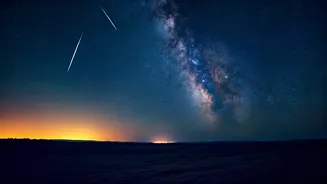
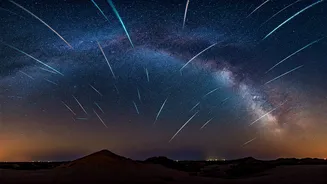
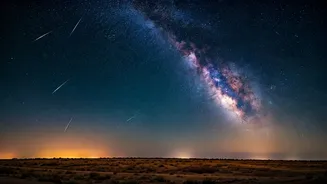
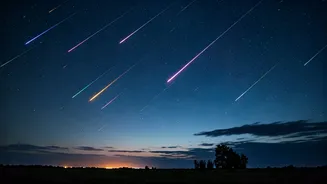
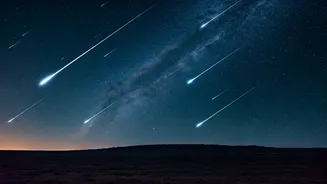
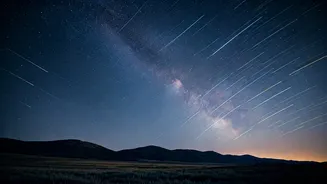
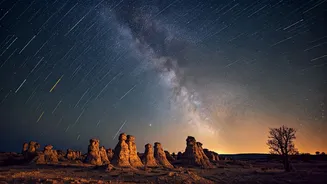
The Eta Aquarid meteor shower, a beloved annual event, occurs as Earth passes through the trail of dust and debris left behind by the famous Halley's Comet.
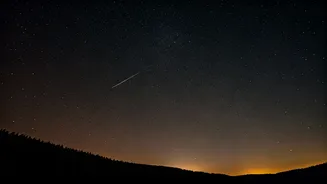
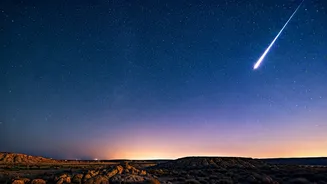
This celestial encounter ignites the sky with bright, fast-moving streaks of light, commonly known as shooting stars. These particles, when entering our planet's atmosphere at high speeds, vaporize due to friction, creating the visually stunning trails. While this shower is particularly renowned for its intensity in the Southern Hemisphere, stargazers in India can still anticipate a worthwhile show, especially under favorable atmospheric conditions and a clear night sky.
Prime Viewing in India
For skywatchers across India, the optimal period to witness the Eta Aquarid meteor shower's peak is anticipated during the early morning hours of May 6th. The most opportune time slot is typically between 3:00 AM and 5:00 AM Indian Standard Time, just before the break of dawn. This timing is crucial because it allows the radiant point of the meteor shower, the constellation Aquarius from which the meteors appear to originate, to ascend higher in the sky, thereby increasing the frequency of visible meteors. For those unable to catch the live event due to local weather or light pollution, free online live streams from observatories worldwide offer an excellent alternative, bringing the celestial display directly to your screens.
What to Anticipate
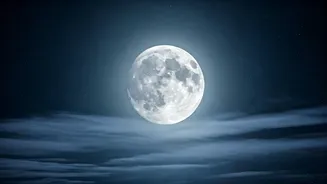
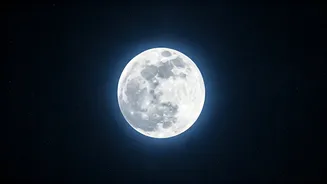
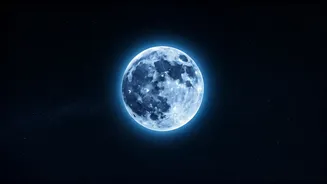
Under ideal viewing circumstances, skygazers in India might be fortunate enough to spot between 10 to 30 meteors per hour during the peak of the Eta Aquarid shower. However, it's important to note that the presence of a bright, waning gibbous moon during this year's event could potentially diminish the visibility of fainter meteors, possibly reducing the observable count to fewer than 10 per hour in many regions. Despite this lunar interference, the Eta Aquarids are celebrated for their impressive speed and luminous trails, meaning that any meteors witnessed are likely to be particularly bright and memorable. To maximize your chances, direct your gaze towards the eastern horizon before sunrise, and while meteors appear to emanate from Aquarius, focusing on a darker patch of sky about 30–40 degrees away from the constellation often yields longer, more captivating streaks across the sky.