




Policy's Uncertain Impact
The anticipated implementation of US tariffs on Iran has triggered considerable speculation regarding its potential effects. While the precise details
of these tariffs remain unclear, the implications for nations like India, which maintain significant trade relations with Iran, are substantial. The ambiguity surrounding the tariffs' specifics presents a challenge to Indian policymakers and businesses. Assessing the scope and nature of these tariffs is vital for evaluating the degree of disruption they might cause to various sectors within the Indian economy. The absence of clear directives from the US government necessitates a cautious approach, as the repercussions could range from minor adjustments to more pronounced economic shifts. Understanding these potential shifts is crucial for developing proactive strategies to mitigate any negative effects and to safeguard India's economic interests within this changing global trade environment.
Energy Sector Vulnerabilities
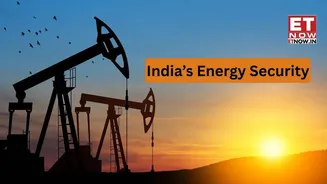
India's dependence on Iranian crude oil makes the energy sector particularly susceptible to fluctuations in trade policies. Iran has historically been a significant supplier of crude oil to India, and any disruption to this supply chain could have noticeable consequences. The imposition of US tariffs could lead to heightened costs for Indian refiners, potentially affecting prices at the consumer level. Furthermore, the availability of alternative energy sources and the associated costs will determine how easily India can adapt to altered supply dynamics. Diversifying energy sources, negotiating trade agreements, and fostering domestic production are essential measures to reduce vulnerabilities and maintain energy security. These steps are crucial to shield the Indian economy from external shocks that could destabilize the sector. The focus must be on sustainable, resilient, and adaptable practices.
Trade Relationships at Stake
The broader economic relationship between India and Iran could be significantly tested by these tariffs. Beyond the energy sector, tariffs may impact other key areas of trade, including the import of petrochemical products and other materials. India might have to reassess its strategic engagement with Iran, which could involve adjusting trade routes, diversifying trading partners, and re-evaluating the terms of existing agreements. A crucial aspect involves exploring opportunities to maintain trade flows while complying with international regulations. India’s response will depend on the clarity of the US’s stance, the reactions of other global players, and India’s own geopolitical priorities. This requires a carefully calculated strategy that considers both economic and diplomatic implications. The long-term implications for India's regional and international trade relationships could be significant.
Strategies for Mitigation
Indian authorities and businesses have a range of options to mitigate the adverse effects of the anticipated tariffs. These include proactive steps to diversify trading partnerships. This means that India could explore new agreements and enhance existing relationships with nations outside the direct influence of the US sanctions regime. Another crucial move is to examine alternative payment mechanisms to facilitate trade with Iran, circumventing possible restrictions imposed by the tariffs. Investment in domestic production, especially in sectors that compete with Iranian imports, would be a good step. Close dialogue with the US government and international bodies, with the aim of seeking clarity and understanding on the tariff details, will be vital. Combining these measures can help India manage the challenges of potential tariffs, ensuring minimal economic disruption and maintaining stable trade.
Future Economic Outlook
The future of the Indo-Iranian economic relationship hinges on the precise nature and scope of the US tariffs. The clarity and communication around this policy will be critical in shaping India’s response and the overall economic impact. The flexibility and responsiveness of Indian businesses and policymakers will also be crucial. As the situation evolves, continuous monitoring of trade flows, market dynamics, and international relations is essential. It is also important to foster an environment conducive to innovation and adaptability. The path ahead requires a strategic approach that prioritizes economic resilience and supports long-term sustainable growth. India’s ability to successfully navigate this period will underscore its status as a major global economic power.