




Ship Becomes Isolation Zone
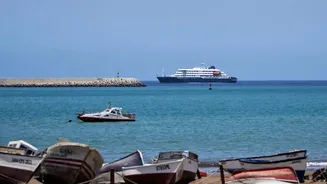
The MV Hondius, a Dutch-flagged cruise vessel undertaking a lengthy polar expedition from Argentina to Antarctica and various South Atlantic islands, found
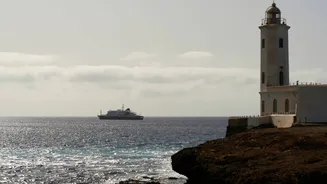
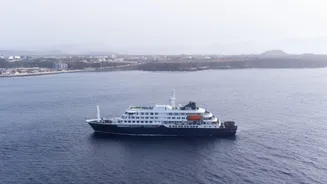
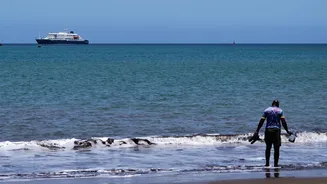
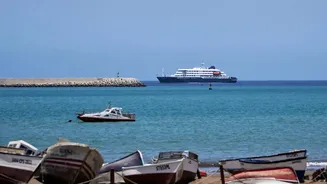
itself at the epicenter of a perplexing and concerning hantavirus outbreak. The situation escalated as three passengers succumbed to the illness, with at least four others falling seriously ill. This rare event, typically spread through the inhalation of contaminated rodent droppings, confined the nearly 150 individuals on board to their cabins as the ship lay adrift off the coast of Cape Verde, awaiting urgent direction and assistance. Footage revealed deserted public areas and medical teams clad in protective gear, painting a stark picture of the vessel's isolation. The World Health Organization confirmed that passengers were in isolation and that a potential relocation to Spain’s Canary Islands was being considered, though Spanish authorities indicated a decision was still pending.
Passenger Accounts Emerge
From within the confines of the MV Hondius, passengers shared their experiences of the unfolding crisis. Qasem Elhato, a 31-year-old passenger who provided video footage to the Associated Press, described their days as "close to normal, just waiting for authorities to find a solution." Despite the uncertainty, he reported that morale remained high, with passengers occupying themselves with reading, watching movies, and enjoying hot beverages. Another passenger, Helene Goessaert, speaking to Belgian broadcaster VRT, emphasized the shared predicament, stating, "You don’t embark on a trip with the idea that one of your fellow passengers won’t make it." She noted the regular delivery of accurate information and the importance of provisions like fresh fruit and vegetables, highlighting the routine of waiting for a resolution amidst the extraordinary circumstances.
Health Teams Mobilize
Responding to the alarming situation, Cape Verdean authorities deployed significant medical resources to the MV Hondius. Teams comprising doctors, surgeons, nurses, and laboratory specialists were dispatched to the vessel. The arrival of these professionals, seen in protective white overalls, boots, and face masks, was captured as they disembarked onto a smaller boat. Cape Verde's capital, Praia, implemented heightened safety protocols, particularly around its port facilities, as a precautionary measure against the rodent-borne illness. While hantavirus is not typically known for person-to-person transmission, health officials acknowledged the possibility. In response, passengers were reportedly adhering to mask-wearing and social distancing protocols, mirroring public health strategies seen during the COVID-19 pandemic. The ship's operator, Oceanwide Expeditions, confirmed it had activated its highest-level response plan, encompassing isolation, stringent hygiene measures, and continuous medical monitoring of all individuals on board.
Evacuation and WHO Updates
The World Health Organization provided updates regarding the planned evacuation of sick passengers. It was indicated that those requiring medical attention would be transferred to the Netherlands for treatment, though the exact timing remained uncertain. Dr. Maria Van Kerkhove, WHO's director for epidemic and pandemic preparedness, stated that the vessel was expected to proceed to the Canary Islands, where Spanish authorities would facilitate the transfer of sick individuals. However, Spanish health officials maintained that a final decision on the port of call was still under review and pending further monitoring. The WHO's latest report detailed seven cases in total: three fatalities, one critically ill passenger who had already been evacuated, and three others exhibiting mild symptoms. Crucially, two of these cases—a deceased woman and the evacuated man—tested positive for hantavirus, confirming the presence of the pathogen.
Tracing the Origin
The investigation into the hantavirus outbreak traced the initial confirmed cases back to the vessel's departure from Argentina. While hantavirus caused 28 deaths nationwide in Argentina in the previous year, officials confirmed that no passengers displayed symptoms when the MV Hondius set sail. The incubation period for hantavirus can extend up to eight weeks post-exposure, complicating the timeline. A Dutch man was the first to die on April 11th, with his body being disembarked nearly two weeks later on St. Helena. His wife subsequently fell ill and passed away in a South African hospital on April 26th, with both cases confirmed as hantavirus. Separately, a sick British man was evacuated from Ascension Island to South Africa and is currently in intensive care. WHO is actively examining the possibility of human-to-human transmission on the ship, although officials suspect the initial infection likely occurred before boarding, despite reports of no rats being present on board.