



Climate Clues for Windows
Deciding whether to keep your windows ajar or shut during hot summer spells hinges on a variety of environmental indicators and your home's specific characteristics.
As highlighted by Poras Pratap Singh, a chief interior design consultant, the interplay of external temperature, moisture levels, the progression of the day, and air circulation patterns are paramount. When the air outside is noticeably cooler than within your abode, opening the windows presents a fantastic opportunity for natural cooling. Conversely, if the external environment is sweltering, particularly during the day's hottest hours, keeping windows closed is the strategic move to prevent the influx of unwanted heat. Beyond temperature, other atmospheric elements like wind direction and the presence of shade also contribute to the equation. Homes blessed with effective airflow can truly benefit from open windows during the milder periods of early morning or late evening. However, in regions plagued by high humidity or intense, direct sunlight, shutting the windows often proves more effective in preserving a comfortably cool interior atmosphere.
Humidity's Hot Hold
The level of humidity outdoors significantly dictates the efficacy of leaving your windows open for respite from the heat. Poras Pratap Singh points out that on humid summer days, opening windows can paradoxically exacerbate indoor discomfort. He explains that when air heavy with moisture drifts indoors, it can make the surroundings feel oppressively sticky and less pleasant. This elevated humidity can lead to increased perspiration and make it harder for the body to cool down, thus making it a wiser choice to keep windows sealed and rely on air conditioning units to regulate both temperature and moisture. In contrast, in drier climates, opening windows during the cooler parts of the day, such as the early morning or late evening, can be a highly effective method for introducing cool, arid air. Singh notes that as this crisp, dry air circulates through the home, it aids in lowering the internal temperature without introducing an uncomfortable dampness.
Timing is Everything
The precise timing of your window actions is absolutely critical for managing your home's temperature during the summer months. Singh strongly recommends the hours of early morning or late evening as the prime windows for opening your panes. During these periods, the outdoor temperatures are at their lowest, allowing you to harness natural ventilation. This strategic opening helps to naturally reduce indoor temperatures and maintain a comfortable living space, lessening the immediate need for air conditioning. Conversely, Singh advises firmly closing your windows throughout the afternoon and midday, which are typically the hottest parts of the day when solar radiation is at its peak. This preventative measure is designed to block the ingress of superheated air, thereby helping to preserve the cooler air already established within your home.
Fans and AC Synergy
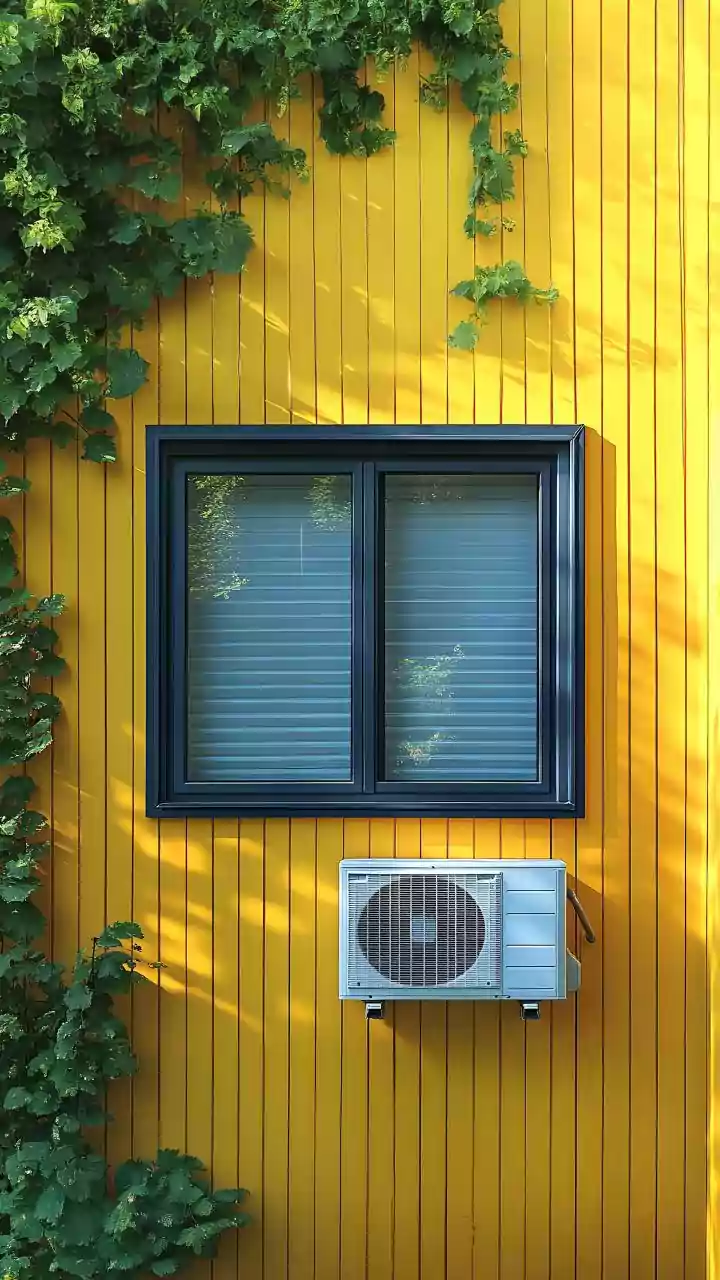
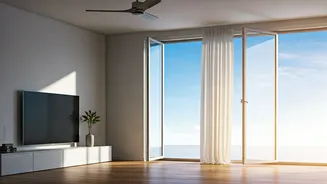
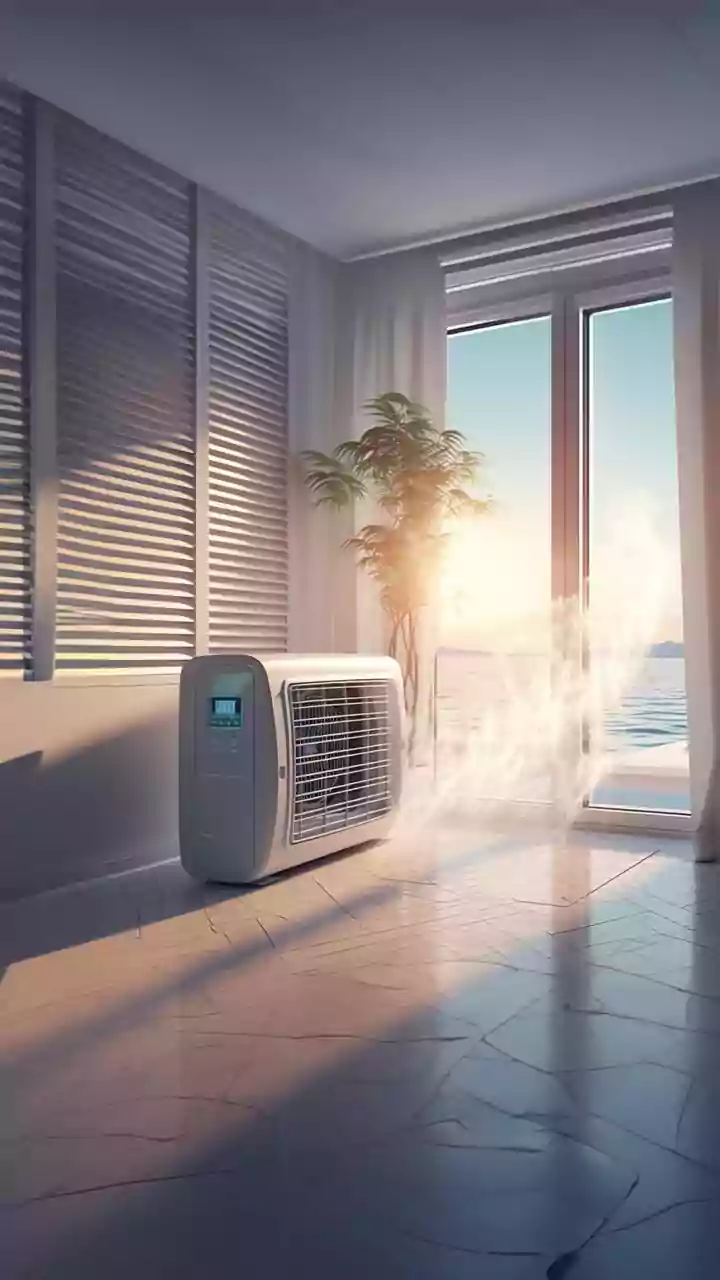
The clever integration of fans or air conditioning with your window management strategy can substantially elevate your indoor comfort levels. Singh elaborates that when utilizing fans in conjunction with open windows, the primary objective is to cultivate a cross-breeze that facilitates the movement of air throughout your residence. This technique is especially potent during the cooler transition periods of the day, like dawn and dusk. Strategically placing fans near your windows can assist in drawing the cooler external air inward while simultaneously expelling warmer indoor air, fostering a more pleasant internal environment. On the other hand, when your air conditioning system is engaged, Singh emphasizes the paramount importance of keeping all windows tightly shut. He explains that air conditioners function by cooling and reducing the moisture content of indoor air. Any open windows allow warm, humid exterior air to infiltrate, which directly diminishes the AC's efficiency and leads to increased energy consumption. For optimal cooling and energy conservation, sealing windows and ensuring no air is escaping is the recommended course of action.