






The Cold Comfort
Celebrity preferences often spark curiosity, and Nick Jonas' peculiar sleeping habit of favoring a 'freezing cold' room has certainly done just that. He's
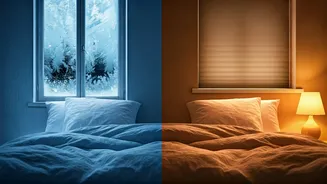
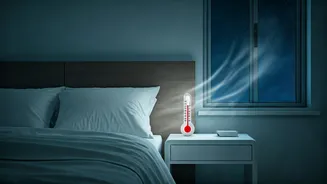
openly shared his dislike for a warm bed, explaining in a podcast that he 'runs hot' and finds excessive warmth uncomfortable. This stands in contrast to his wife's preference for a warmer sleeping environment, typically around 71-72°F (21.7-22.2°C). Jonas, however, expressed his delight at the idea of sleeping at a much lower 62°F (16.7°C), even questioning how a thermostat can achieve such a low setting and voicing a strong desire for it in his own life. This stark difference highlights the deeply personal nature of sleep temperature preferences and the potential for conflict within shared sleeping spaces.
Sleep Science & Temperature
The ambient temperature of a bedroom plays a far more significant role in sleep quality than many realize, acting as a potential 'silent sleep killer' when not optimized. For initiating sleep naturally, a cooler environment is crucial. Experts, like Consultant Neurologist Dr. Yatin Sagvekar, suggest that an ideal sleep setting is around 18°C (64.4°F). This cooler temperature aids the body in its natural process of lowering its core temperature, a critical step that supports the release of melatonin, the hormone that signals sleep to the brain, thereby facilitating a smoother onset of sleep. Without this temperature drop, the body may struggle to transition into restful sleep.
Body's Thermoregulation
Our bodies possess an inherent capability to maintain a stable internal temperature, a process known as thermoregulation. For individuals who tend to feel excessively warm, a common tactic to cool down is to leave a foot uncovered by the blankets. Consultant Physician Dr. Hiran S. Reddy explains that the soles of our feet are rich in blood vessels and have minimal hair, making them highly effective zones for heat exchange. By exposing one foot, excess body heat can dissipate through these prominent vessels, contributing to a slight reduction in the body's core temperature. This seemingly simple act sends a calming signal to the brain, aligning with our natural circadian rhythms and promoting the production of melatonin, which is essential for sleep.
Cooling for Deeper Rest
The benefits of even minor cooling extend beyond just initial sleep onset. Research in the field of sleep medicine indicates that facilitating even slight cooling of the skin can significantly contribute to faster sleep initiation and promote deeper, more restorative rest. For individuals like Nick Jonas, who may struggle with overheating during the night or experience persistent night sweats, this natural method of exposing a foot is a valuable, non-invasive strategy. It can be a highly effective way to enhance sleep hygiene without the need for any medication, simply by leveraging the body's own cooling mechanisms to achieve a more comfortable and conducive sleep environment.