






Chilli's Spicy Arrival
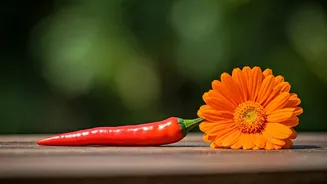
It's hard to fathom Indian kitchens without the ubiquitous chilli pepper, a staple that adds heat to countless dishes. However, this fiery ingredient is a newcomer
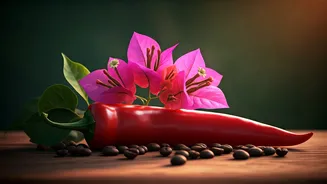
to the subcontinent, introduced by Portuguese traders between the 15th and 16th centuries. Originating from the Americas, chillies have since found an exceptional home in India's warm climates, supplanting older spices like black and long pepper as the primary source of culinary heat. Their adaptability and versatility have made them indispensable to regional cuisines nationwide, transforming the flavour profiles of Indian food forever.
Bougainvillea's Vibrant Bloom
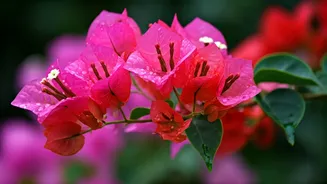
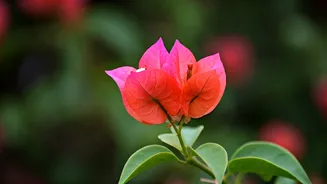
The stunning splashes of colour from bougainvillea adorning Indian streets and walls are a familiar sight. Yet, these vibrant blooms, ranging from deep pinks to vivid oranges, are not native to India. This striking plant actually originates from South America, with Brazil, Peru, and Argentina being its ancestral homes. Its popularity in tropical and subtropical regions worldwide, including India, is due to its remarkable drought resistance and eye-catching appearance. Varieties like 'Golden Glow', 'Louis Wathen', and 'Mrs. Butt' showcase the diverse colour palette that has made bougainvillea a beloved ornamental plant in warmer climates.
Eucalyptus: An Australian Import
Eucalyptus trees are a common presence in India, widely utilized for their timber, paper pulp production, and rapid growth, contributing significantly to afforestation efforts. However, these tall trees are not indigenous to India; they originated in Australia and nearby islands. Introduced during the colonial era, eucalyptus was valued for its swift growth rate. Despite its utility, the ecological impact of certain eucalyptus species, particularly their high water consumption and potential effects on local biodiversity, remains a subject of ongoing environmental discussion among experts.
Gulmohar's Fiery Display
The magnificent gulmohar tree, celebrated for its spectacular canopy of fiery orange-red flowers that blooms during the summer months, is often mistakenly believed to be native to India. In reality, this ornamental tree's origins lie in Madagascar. It has since been widely disseminated across subtropical and tropical regions globally, becoming a favoured choice for gardens and avenues in both humid and arid parts of India. Its dramatic floral display and aesthetic appeal have cemented its status as a popular choice for beautifying Indian cities and academic campuses.
Papaya's Tropical Sweetness
Papaya, a fruit now cultivated and enjoyed extensively throughout India, originally made its journey to the subcontinent from Central America and southern Mexico. This tropical delight was introduced centuries ago via maritime trade routes. Papaya quickly acclimatized to India's climate and became highly prized for its rich nutritional value and beneficial digestive properties. Notably, India stands as the world's leading producer of papaya, contributing approximately 3 million tonnes annually to the global output of about 6 million tonnes, with other major producers including Brazil, Mexico, and China.