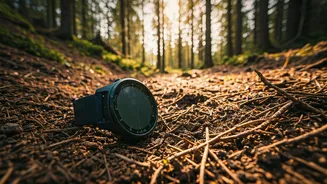








Last Recorded Movements
The GPS watch, recovered after the fatal encounter, offered a detailed chronicle of the hiker’s movements. The device meticulously tracked the hiker’s location,
speed, and even altitude changes, providing a clear picture of their activities before the attack. Initial data revealed a typical hike, with the person traversing well-established trails at a steady pace. As they ventured deeper into the wilderness, changes in speed and direction became evident. The watch showed moments of increased activity, potentially indicating an awareness of the bear's presence. There was an eventual decline in speed, marking the beginning of a rapid and tragic series of events as the encounter escalated.
Data's Grim Timeline
The timeline constructed from the GPS data highlighted the sequence of the attack with unnerving clarity. The records indicate a rapid decrease in the hiker's movement, followed by a sudden, sustained period of stillness, which was interpreted by experts as the moment of the attack. Subsequently, there were brief spikes of movement, possibly a desperate attempt to escape. The data points demonstrated a struggle for survival, though it was ultimately unsuccessful. The GPS further illustrated the exact point of the attack, pinpointing the location within the dense forest. This precise information allows authorities to focus their search and prevent future incidents in the area.
Analyzing Attack Insights
Analyzing the GPS data has assisted in providing insights that can help in understanding bear behaviors and potential safety measures. The data revealed the duration of the encounter, the location's characteristics, and even the hiker's immediate responses. By studying the hike's terrain and the bear's potential access points, it becomes possible to identify high-risk areas. Furthermore, the data from the GPS watch could allow for the development of strategies, from education on what to do when meeting a bear to guidelines on how to use bear spray and avoid encounters. The GPS data is an invaluable tool for enhancing safety during outdoor activities, thus making every effort to protect both hikers and wildlife.
Post-Attack Investigations
The GPS watch data has provided crucial information to aid in post-attack investigations, helping to piece together a better understanding of what happened. The information has been used to assess the attack’s nature, which has influenced further investigation in the area. Law enforcement and wildlife experts were able to use this data to identify probable environmental factors that might have contributed to the attack. The data also helped establish a better picture of the bear's behavior. This type of analysis also involves forensic scrutiny of the hiker's equipment, including clothing and gear, which helps determine the events that occurred. This comprehensive approach is necessary to understand the factors involved, improving safety standards.
Preventative Safety Measures
In the wake of this tragic event, the information from the GPS watch emphasizes the importance of safety measures for those venturing into bear country. Hikers should ensure they are aware of the potential risks of wildlife encounters and possess training. They should also carry safety equipment, such as bear spray, and know how to use it. Hikers should be educated on how to store food securely and avoid attracting bears. It's also imperative to always stay on marked trails, make noise while hiking, and be aware of your surroundings. Such protocols are important to safeguard human life and protect the safety of the natural environment.