




Fat’s Vital Role
Fats, often viewed as the villains in a diet, actually play a crucial part in maintaining good health. They are vital for the absorption of fat-soluble
vitamins like A, D, E, and K, aiding the body in using these essential nutrients. These vitamins are crucial for functions like vision, bone health, immune function, and blood clotting. Moreover, fats support cell growth, protect organs, and regulate hormone production. By cutting out ghee and oils, individuals risk a deficiency in these key nutrients, which can lead to various health issues. Therefore, it is important to understand that not all fats are harmful; healthy fats are crucial for overall well-being. A balanced diet should include a variety of fats to support optimal health and prevent health issues caused by an imbalance.
Nutrient Deficiencies Risks
Eliminating ghee and oils from your diet can result in several nutritional deficiencies. The absence of fats can hinder the absorption of fat-soluble vitamins. Without sufficient amounts of these vitamins, the body may experience a range of problems. For example, Vitamin A deficiency can impair vision and immune function, while Vitamin D deficiency is linked to weakened bones and a compromised immune system. Additionally, essential fatty acids, such as omega-3 and omega-6, are vital for brain health, heart function, and reducing inflammation. Without these fats, the body may struggle to maintain these functions effectively. The lack of fats can also cause skin problems, such as dryness and irritation. Therefore, carefully consider the potential risks of fat restriction and make informed choices to maintain a balanced nutrient intake.
Healthy Fat Sources
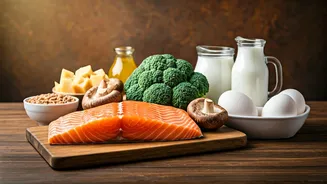
If you're looking to maintain a balanced diet while minimizing oil intake, various alternatives can provide the healthy fats your body needs. Incorporating foods rich in monounsaturated and polyunsaturated fats is an excellent strategy. Consider adding avocados, nuts, seeds, and fatty fish, like salmon and mackerel, to your meals. Avocados are rich in monounsaturated fats and provide fiber. Nuts and seeds, such as almonds, walnuts, and flaxseeds, offer a blend of healthy fats, protein, and fiber. Fatty fish contain omega-3 fatty acids that are vital for heart and brain health. Using these food sources can help you get the required fats without fully depending on ghee and oils. Moreover, it's essential to cook with healthier fats when needed. Olive oil and coconut oil can be used moderately while cooking to add flavor and provide health benefits.
Balanced Diet Strategy
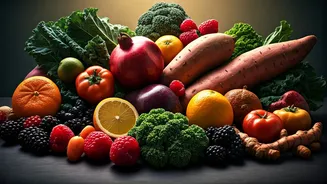
Creating a balanced diet is crucial when adjusting your fat intake. Ensure you're consuming a variety of nutrients to meet your body's requirements. Include whole, unprocessed foods like fruits, vegetables, and lean proteins. Incorporating these foods, rich in vitamins, minerals, and antioxidants, helps to support overall health and fill gaps caused by a reduced fat intake. Also, pay attention to the proportion of different macronutrients in your diet. While minimizing unhealthy fats, ensure you're getting enough protein and carbohydrates for energy and muscle maintenance. Consider consulting a nutritionist or a healthcare professional who can guide you on creating a personalized dietary plan. They can help you assess your nutritional needs and provide recommendations for a balanced, fat-conscious diet that supports your health goals. This will help you balance your diet.
Potential Health Consequences
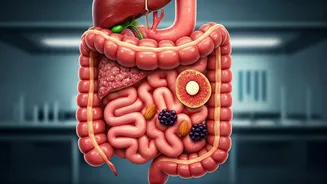
If you completely remove ghee and oils, several health consequences might arise. One significant issue is the risk of deficiencies in fat-soluble vitamins like A, D, E, and K, leading to a range of health issues. Moreover, the absence of essential fatty acids can affect brain function, heart health, and contribute to increased inflammation. Skin conditions like dryness and irritation could also occur due to the lack of fats. Other potential issues include hormonal imbalances and reduced nutrient absorption. Over time, these deficiencies can potentially lead to weakened immune function, decreased bone density, and impaired cognitive function. Therefore, it's important to adopt a balanced approach that supports overall health and minimizes the risk of nutritional deficiencies by maintaining a balanced diet.