





The Samosa Calculation
The seemingly innocuous ₹10 or ₹20 samosa, a beloved evening snack often paired with masala chai, is under scrutiny for its long-term health and financial
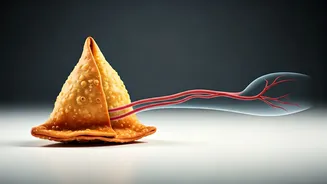
repercussions. A viral post by a Delhi-based cardiologist presented a stark calculation: a daily ₹20 samosa, consumed over 15 years, amounts to a total expenditure of ₹90,000. However, the true cost, according to the doctor's analogy, is akin to taking a 'loan against your arteries at 400 per cent interest,' potentially culminating in a medical bill of ₹3 lakh for an angioplasty. This mathematical breakdown ignited widespread discussion online, with opinions divided between support for the analogy and critiques questioning the direct correlation and the universality of such consumption patterns.
Beyond the Samosa
While the samosa became the focal point, online discourse highlighted that the issue extends beyond this single snack. Critics argued that the actual culprit lies in the unhealthy oils and ingredients used in many fried and processed foods, suggesting that even a 'healthier' version of a samosa or other deep-fried items could pose similar risks. The conversation broadened to encompass a wider range of unhealthy dietary choices, including sugary drinks, pizzas, burgers, and mayonnaise, underscoring that a pattern of consuming calorie-dense, nutrient-poor foods is the primary concern. Many emphasized that 'junk' food is not limited to specific items but rather a broader category of culinary choices that negatively impact arterial health and overall well-being.
Expert Artery Analysis
Consultant interventional cardiologist Dr. Parin Sangoi clarified that the concern isn't about an isolated samosa but rather the lifestyle trend it represents. He explained that when fried and processed foods become dietary staples, they contribute cumulatively to arterial damage. Each consumption event can lead to increased cholesterol deposition, inflammation, and oxidative stress within the vascular system. Over time, this process results in plaque buildup, narrowing of the arteries, and reduced blood flow to the heart. Dr. Sangoi equated the cumulative effect to a silent but steady erosion of vascular health, where seemingly harmless daily choices can significantly increase the risk of developing serious heart conditions in the future.
Diet's Arterial Impact
The composition of our meals directly influences the health and functionality of our arteries. Dr. Sangoi elaborated that foods high in trans fats, refined carbohydrates, and sodium can stiffen blood vessel walls, elevate blood pressure, and disrupt the balance between 'bad' LDL cholesterol and 'good' HDL cholesterol. This adverse effect on the endothelium, the inner lining of arteries, compromises their ability to remain flexible and respond to blood flow. Conversely, a diet rich in fiber, antioxidants, fruits, vegetables, and nuts promotes a healthy, elastic arterial lining. Essentially, every meal serves as a biological message, either supporting or undermining cardiovascular health through its nutritional profile.
Modern Life Challenges
The demands of contemporary working life frequently lead individuals to neglect proper meals, opting instead for quick, often fried, convenience foods. Dr. Sangoi advised that prioritizing convenience should not come at the expense of health. He advocated for simple dietary substitutions, such as choosing roasted snacks over fried ones or incorporating fruits into daily meals, noting that these small changes can yield substantial health benefits. Furthermore, he highlighted the underappreciated roles of adequate hydration, light physical activity, and mindful eating as crucial components of preventative healthcare that are often overlooked in busy schedules.
Heart Health Now
It's crucial to recognize that heart disease is no longer an ailment solely affecting older adults; it is increasingly prevalent among individuals in their 30s. This concerning trend is attributed to a confluence of factors, including heightened stress levels, inadequate sleep, and consistently poor dietary habits, creating a 'perfect storm' for cardiovascular issues. Dr. Sangoi emphasized that prioritizing heart health is not about imposing restrictions but rather about showing self-respect and making informed choices. The daily decisions made regarding diet, lifestyle, and stress management directly dictate the long-term health and resilience of one's heart.