




Bridging the Gap
The Mumbai-Pune Expressway, a critical link for Maharashtra's major cities, is undergoing a significant transformation with the near completion of its
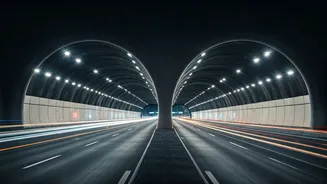
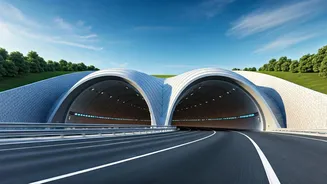
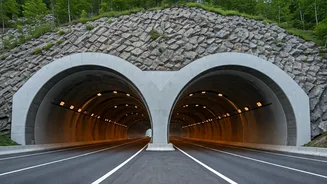
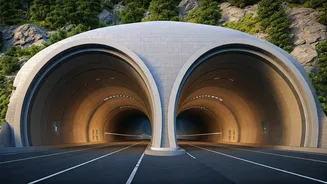
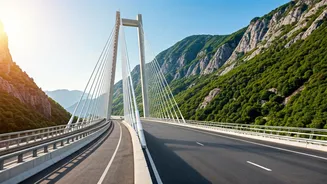
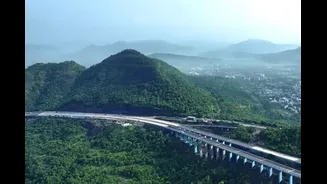
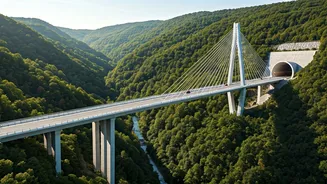
'Missing Link.' This 13.3 km segment, a substantial engineering feat, incorporates India's longest twin-tube road tunnel and is designed to dramatically reduce transit durations between Mumbai and Pune. The project bypasses the often-congested ghat section, particularly prone to delays during the monsoon season, promising a more fluid and expedited travel experience for all users. The entire endeavor represents a considerable investment in infrastructure, aiming to streamline connectivity and enhance the overall efficiency of this vital economic corridor.
Speed, Safety, Systems
With the advent of the new infrastructure, including the state-of-the-art tunnel, authorities are evaluating potential adjustments to the current speed limits. While the existing guidelines permit 100 kmph for light vehicles and 80 kmph for heavy vehicles, the improved road conditions might warrant a review. The Maharashtra Highway Police are implementing a robust suite of safety measures, deploying advanced surveillance technologies, speed enforcement cameras, and sophisticated emergency response infrastructure. This proactive approach ensures that the enhanced capacity of the expressway is matched by an equally advanced safety framework, safeguarding commuters and freight alike. The new tunnels are equipped with advanced fire detection and suppression systems, ensuring immediate response to any potential incidents.
Tunneling to Efficiency
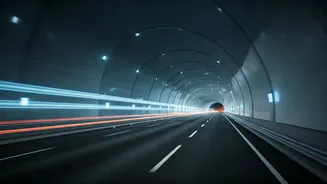
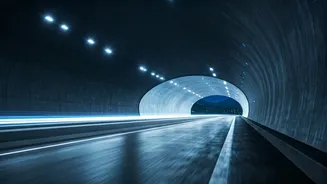
Central to the 'Missing Link' project is the impressive 1.7 km twin-tube tunnel, a testament to modern engineering. This tunnel is specifically engineered for high-speed traffic flow and is outfitted with cutting-edge safety features, including comprehensive fire detection and suppression mechanisms, advanced ventilation systems to maintain air quality, and strategically placed emergency exits. The overarching objective of this extensive infrastructure development is to engineer a travel experience that is not only seamless and efficient but also prioritizes the safety of everyone using the expressway. The inclusion of these advanced features ensures that the tunnel operates at peak performance and safety standards.
Time Saved, Economy Boosted
Upon its full operationalization, the 'Missing Link' is anticipated to shave off a minimum of 30 minutes from the typical travel time between Mumbai and Pune. This reduction is expected to provide significant relief for daily commuters, business travelers, and the logistics industry, thereby stimulating economic activity and improving inter-city connectivity. The reduced travel time translates into greater efficiency for businesses, lower operational costs for transporters, and more convenience for individuals. This enhancement to a major transport artery is poised to have a positive ripple effect across the region's economy.
Emergency Response Network
To ensure swift and effective handling of any untoward incidents, an elaborate emergency response and enforcement system is in place. This includes twin control rooms operating 24/7, staffed by multi-agency teams from the Highway Police, MSRDC, and RTO. These control rooms utilize visuals from numerous Pan-Tilt-Zoom CCTV cameras installed along the 'Missing Link' to monitor traffic and initiate immediate responses to vehicle stoppages, accidents, or fires. SOS panic buttons, positioned every 250 meters, provide an additional layer of immediate assistance. Patrolling vehicles equipped with speed guns will be deployed to enforce speed limits, and in case of incidents within the tunnels, response vehicles can utilize opposite corridors and connecting passages for rapid access. Ambulances, fire tenders, and cranes will also be stationed at key points for prompt aid.
Phased Access & Rules
A detailed notification has outlined the phased access and speed limits for the 'Missing Link'. During Phase 1, from May 1 to October 31, access is restricted to Light Motor Vehicles, passenger buses, and other passenger vehicles, with a speed limit of 100 kmph for cars and 80 kmph for buses. This initial phase allows for monitoring and review. For Phase 2, commencing November 1, heavy goods vehicles may be permitted based on a six-month review, though vehicles carrying hazardous or inflammable materials will remain prohibited on this new stretch and will continue to use the existing expressway. Enforcement of lane discipline and speed limits will be managed through AI-enabled cameras and police patrols.