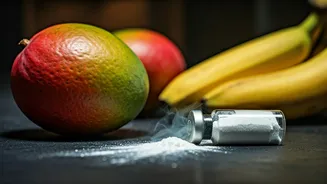







Unsafe Ripening Exposed
The Food Safety and Standards Authority of India (FSSAI) has issued a stern directive to state food commissioners, mandating heightened scrutiny across
fruit markets, wholesale centers, and storage facilities. This crackdown is specifically aimed at eradicating the clandestine and perilous use of artificial ripening agents. The focus is on chemicals like calcium carbide, notoriously known as 'masala', and the improper application of ethephon, a substance that, while capable of natural ripening processes, poses significant health hazards when used incorrectly. Inputs suggest that some food business operators are resorting to these prohibited methods, particularly during periods of high seasonal demand for fruits like mangoes, bananas, and papayas, to hasten their ripeness for market. This unauthorized activity directly contravenes established food safety regulations and presents a clear and present danger to public health. The FSSAI's intervention underscores a commitment to ensuring the safety of fresh produce reaching Indian consumers.
Calcium Carbide Dangers
Calcium carbide, a chemical frequently encountered in the illicit artificial ripening of fruits, is strictly forbidden under Indian food safety legislation. Its prohibition stems from its potential to contain dangerous impurities and its capacity to release acetylene gas. Inhaling acetylene gas can lead to a range of severe health complications. Consumers exposed to calcium carbide or its residues might experience immediate adverse effects such as vomiting, difficulties in swallowing, ocular irritation, and the development of skin ulcers. Prolonged or repeated exposure is even more concerning, potentially impacting the nervous system and contributing to broader long-term health degradation. The FSSAI's firm stance against this substance is a critical measure to safeguard the populace from these preventable health risks, emphasizing that its presence, even circumstantially near fruit storage, can be grounds for legal prosecution.
Ethephon's Risky Use
Beyond the outright ban on calcium carbide, the FSSAI is also warning against the misuse and excessive application of ethephon. While ethephon itself is approved for regulated agricultural purposes as it can generate ethylene gas, crucial for the natural ripening process, its direct immersion of fruits into chemical solutions is deemed unsafe. This method can result in the absorption of harmful chemical residues directly into the fruit's flesh, making them unsafe for consumption. The regulatory body emphasizes that while ethephon can be employed, it must adhere to stringent guidelines, utilizing only approved techniques and controlled concentrations. Direct contact between the chemical and the fruit is explicitly disallowed. This highlights a nuanced approach, permitting beneficial applications while rigorously policing potentially harmful deviations, ensuring that any use of ethephon prioritizes consumer well-being and adheres to established safety protocols.
Enforcement Actions Detailed
To effectively combat these illicit practices, the FSSAI has equipped state food safety departments with clear instructions for implementing intensive inspections. These checks are designed to cover all critical points in the supply chain, from wholesale markets and extensive storage godowns to the intricate fruit distribution networks. Officials are particularly focused on monitoring seasonal fruit supply chains, recognizing these as hotspots for the reported violations. Enforcement personnel are empowered to treat the discovery of calcium carbide on storage premises or near fruit containers as compelling circumstantial evidence, sufficient to initiate prosecution against those found in violation. Furthermore, states are encouraged to conduct targeted enforcement drives and utilize rapid field testing methods, such as strip paper tests, to swiftly detect the presence of dangerous gases associated with artificial ripening chambers, thereby enhancing the efficacy of these regulatory measures.
Consumer Protection Focus
This concerted effort by the FSSAI is integral to a broader strategy aimed at fortifying food safety oversight across India, especially concerning fresh produce that reaches consumers in its raw form, without undergoing any processing. The regulator has issued a strong warning, indicating that stringent legal action will be pursued against any food business operators found engaging in the use of banned ripening agents, unauthorized synthetic colors, non-permitted wax coatings, or any other prohibited substances applied to fruits. This comprehensive approach demonstrates the FSSAI's unwavering commitment to safeguarding public health and ensuring that the fruits available to consumers are not only fresh but also entirely safe for consumption, free from the hidden dangers of artificial chemical interventions designed to deceive appearance and speed up market readiness.