




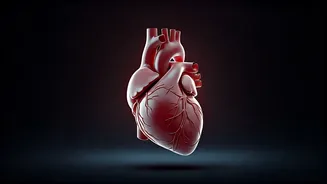


What is SVT?
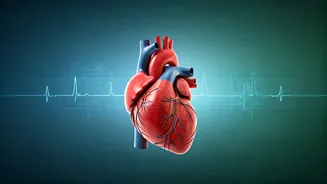
Supraventricular Tachycardia, frequently abbreviated as SVT, is a condition characterized by a notably accelerated heart rate. This swift heart rhythm
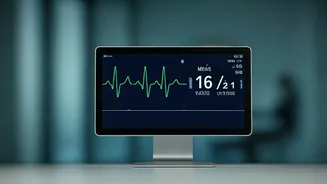
stems from electrical malfunctions within the heart's upper chambers, specifically the atria. These anomalies disrupt the usual, steady pace of the heart, resulting in sudden bursts of very fast heartbeats. It is important to know that SVT can occur at any time, not just during periods of physical activity. It is crucial to monitor your heart rate, since experiencing an exceptionally high heart rate during exercise or at rest might indicate SVT. Recognizing this condition and understanding the symptoms is key to managing it effectively. If an individual's heart rate unexpectedly shoots up to 150–170 beats per minute during exercise, it is important to consult a doctor.
SVT vs. Normal Heart Rate
Differentiating between SVT and a typical accelerated heart rate can be challenging without proper evaluation. A normal fast heart rate often occurs during or after exercise as the body's natural response to increased activity. During physical activity, the heart beats faster to deliver more oxygen to the muscles. In contrast, SVT is characterized by an abrupt onset of an excessively rapid heart rate, typically exceeding 100 beats per minute, even when the body is at rest or during minimal exertion. The key lies in the suddenness, intensity, and lack of obvious trigger. When the heart rate elevates rapidly and unexpectedly, it should raise a red flag. Consulting with a healthcare provider is essential for an accurate diagnosis, especially if you experience heart palpitations, lightheadedness, or shortness of breath alongside a fast heart rate. A doctor can then recommend suitable tests or evaluations to clarify the underlying cause.
Symptoms of SVT
The symptoms associated with Supraventricular Tachycardia can differ in severity from person to person. Common signs include a racing heartbeat or heart palpitations, where an individual feels their heart beating rapidly or irregularly. Other symptoms can include lightheadedness or dizziness, caused by a reduced blood supply to the brain. Shortness of breath is another common symptom, as the heart struggles to pump blood effectively. In some instances, SVT might lead to chest pain or discomfort. Extreme cases could even result in fainting or loss of consciousness. It’s important to remember that these symptoms can happen suddenly and without any clear cause. If you recognize any of these symptoms, especially when your heart rate has become very high, you should seek medical attention without delay to determine the cause and get proper care.
What to Do
If you suspect that you might be experiencing SVT, it is important to take appropriate action. The initial step should be to stop whatever activity you're engaged in and try to rest. Next, you should check your heart rate, as this will help assess the severity of your condition. To manage an episode, some people may use specific vagal maneuvers. These maneuvers involve actions that can help stimulate the vagus nerve, which helps regulate heart rate. Examples of this could be a Valsalva maneuver (bearing down as if you are having a bowel movement) or splashing cold water on the face. However, these techniques are not always effective. It’s very important to seek medical attention if these maneuvers do not provide relief, or if your symptoms worsen. A healthcare provider can carry out diagnostic tests, provide appropriate treatment, and help you understand how to manage the condition in the long term.
Seeking Medical Help
Prompt medical attention is essential if you suspect you might have SVT. A healthcare provider can conduct various tests and evaluations to confirm the diagnosis. These might include an electrocardiogram (ECG or EKG) to monitor the heart's electrical activity. Additionally, the doctor may ask for a Holter monitor which allows heart rhythms to be recorded over a day or two. Other tests could include an echocardiogram, to visualize the heart's structure. Following diagnosis, a doctor can then discuss treatment options. This might involve medication to regulate the heart rate, or more advanced procedures. In some cases, a procedure known as catheter ablation might be necessary. This process involves the targeted destruction of the heart tissue responsible for causing the irregular heartbeats. Seeking professional guidance ensures accurate diagnosis, appropriate treatment, and long-term management strategies for living well with SVT. Consulting a doctor helps individuals understand their condition and adopt the best approaches for their specific needs.