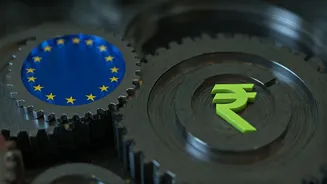





Global Economic Realignment
The geo-economic landscape has been significantly reshaped by various global events and power shifts. These changes have created new opportunities and compelled
nations to reassess their strategic alliances. India and the EU, recognising the advantages of stronger economic ties, found themselves in a unique position. The evolving global dynamics incentivized both sides to prioritize and accelerate their trade negotiations. This period saw a renewed interest from both India and the EU to strengthen their partnership through enhanced trade and investment. The shifting global dynamics served as the initial catalyst, urging both parties towards the negotiation table to explore areas of mutual economic benefit and strategic advantage. These circumstances paved the way for a more productive dialogue.
Negotiation Challenges Faced
Despite the shared interest in expanding trade, the discussions weren't devoid of hurdles. Differences in trade policies, regulatory frameworks, and market access remained key areas of contention. These divergences needed careful navigation to reach a mutually agreeable outcome. A major hurdle involved tariffs and non-tariff barriers that impeded the smooth flow of goods and services. Another issue was the protection of intellectual property rights, a critical concern for both sides. Complexities arose from the varying perspectives on environmental and labor standards as well. Overcoming these challenges required a spirit of compromise and a pragmatic approach to find common ground. Both sides committed to addressing these challenges, leading to compromises and the eventual formulation of a framework that reflected mutual interests.
Success and Outcomes Achieved
Ultimately, the renewed talks bore fruit, resulting in several significant agreements. These included reductions in tariffs, streamlining of trade procedures, and increased market access for businesses in both India and the EU. Furthermore, both parties agreed on enhanced cooperation in various sectors, such as technology, infrastructure, and sustainable development. These agreements marked a significant step forward in strengthening the economic relationship between India and the EU. The successful conclusion of these negotiations reflected a shared commitment to building a stronger, more resilient partnership. With the successful talks, both entities were able to pave the way for a more prosperous future, founded on trust and shared objectives.
Future Implications & Growth
The successful revival of trade talks is poised to have positive ramifications for both India and the EU. It is expected to boost trade volumes, stimulate economic growth, and create new job opportunities. Moreover, it is set to foster deeper collaboration in key areas, such as research, innovation, and sustainable development. The strengthened partnership would also enhance strategic ties, allowing for a more effective response to global challenges. This renewed economic bond is poised to generate significant long-term advantages, not only for trade and economic growth but also for stronger diplomatic ties between the two entities. The new agreement is an indication of a future that is characterized by collaboration, economic progress, and strategic partnership.