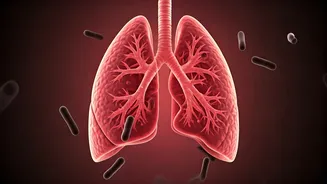







AI Targets Tuberculosis
The Indian government is leveraging the power of Artificial Intelligence to dramatically accelerate the screening process for tuberculosis (TB), a significant
public health challenge. This advanced AI integration aims to identify potential cases much faster than traditional methods, allowing for quicker interventions and treatment initiation. By analyzing vast amounts of data, AI algorithms can detect subtle indicators of the disease that might be missed by human observation alone. This proactive approach is crucial for containing the spread of TB and reducing its incidence across the nation. The deployment of these AI-powered screening tools represents a major technological leap in disease management, promising to streamline diagnostic pathways and significantly improve patient outcomes. The goal is to make TB detection more efficient and accessible, especially in remote or underserved areas, ensuring no one is left behind in the fight against this persistent illness. This initiative underscores a commitment to utilizing cutting-edge technology for the betterment of public health infrastructure and disease eradication efforts.
Enhanced Nutrition Aid
Beyond disease screening, Artificial Intelligence is also playing a critical role in optimizing the delivery and effectiveness of nutrition aid programs. AI-driven systems are being developed to better identify populations most in need of nutritional support, ensuring resources are allocated efficiently and reach the intended beneficiaries. These intelligent systems can analyze demographic data, health records, and socio-economic factors to pinpoint areas with high rates of malnutrition. This data-driven approach allows for more targeted interventions, ensuring that supplementary nutrition reaches children, pregnant women, and other vulnerable groups effectively. Furthermore, AI can help monitor the progress of these nutrition programs, providing valuable insights for continuous improvement and adaptation. By making the distribution of essential nutrients more precise and responsive, these AI applications are instrumental in building a healthier future for India's citizens. The integration of AI into nutrition aid signifies a strategic move towards a more data-informed and impactful approach to public health, directly contributing to the overall well-being of the population.
Accelerating Disease Elimination
The synergy between AI-powered TB screening and enhanced nutrition aid presents a formidable strategy for accelerating India's disease elimination goals. By tackling both diagnostic challenges and nutritional deficiencies simultaneously, the government is creating a robust framework for comprehensive public health improvement. Faster identification of TB cases means earlier treatment and reduced transmission, while improved nutrition strengthens the population's overall immunity and resilience. This integrated approach allows for a more holistic management of health, addressing root causes and immediate threats effectively. The use of AI in these critical areas signifies a paradigm shift, moving from reactive to proactive healthcare strategies. The ultimate aim is to significantly reduce the burden of preventable diseases and malnutrition, thereby improving the quality of life for millions across India. This forward-thinking strategy underscores a strong commitment to harnessing technological advancements for societal good and achieving ambitious public health targets.