




Trade Dynamics Examined
India and Iran's economic ties have been characterized by mutual benefits, but the evolving international landscape, particularly US policy, is creating
new challenges. The potential imposition of a 25% tariff by the US on goods traded with Iran is poised to disrupt the established trading patterns significantly. This potential action has raised concerns within India, as it could substantially affect trade volumes and the financial viability of existing commercial arrangements. The ongoing discussions and policy adjustments are closely watched, as they will define the future of the India-Iran trade relationship and its strategic importance within the broader economic framework. The complexity of these dynamics underscores the need for adaptability and strategic foresight in navigating the current environment.
India’s Key Exports
India exports a diverse range of products to Iran, making it a significant trading partner. Some of the major exports from India to Iran include agricultural products, such as rice and other food grains, which cater to Iran's domestic needs and import requirements. Additionally, India exports petroleum products, particularly refined fuels, which are essential for Iran’s energy demands. India also supplies a variety of other goods, including machinery and equipment, pharmaceuticals, and industrial products that support Iran’s industrial sector and infrastructure development. The composition of these exports shows the broad nature of the trade relationship, reflecting India's capacity to meet Iran's diverse requirements while supporting its economic development initiatives. The trade flows reflect a strategic partnership and have a significant impact on India's overall trade balance.
Impact of US Tariffs
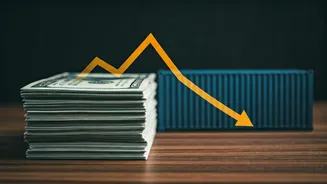
The potential implementation of a 25% tariff by the US on goods related to Iran could have notable consequences for India. Such tariffs could lead to higher costs for Indian businesses trading with Iran, thereby affecting the competitiveness of Indian goods in the Iranian market. This could result in a decrease in the volume of exports, which would negatively impact Indian exporters and industries heavily reliant on Iran as a market. Furthermore, these measures can cause supply chain disruptions, complicating trade routes and increasing logistical expenses. These economic pressures could necessitate adjustments in business strategies, potentially involving the search for alternative markets or a reevaluation of trade policies, underscoring the necessity for flexibility and proactive measures to mitigate the adverse effects.
India’s Imports from Iran
India imports several critical resources from Iran, notably crude oil. This supply is essential for India's domestic energy needs and its industrial base. The dependence on Iranian oil underscores the strategic significance of this trade relationship. Apart from oil, India imports other goods, which include petrochemicals and fertilizers. These commodities are vital for numerous sectors within the Indian economy, from agriculture to manufacturing. Therefore, disruptions to these imports, whether due to tariffs or other factors, could have far-reaching effects on various industries and the overall economic landscape. The ongoing management of these import relationships is a crucial element in India’s economic strategy, emphasizing the need for diversification and stable supply chains.