






GST Reforms Unveiled
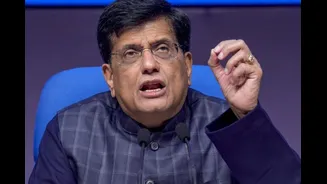
The Finance Minister has recently presented the advancements in GST, underlining its significance in revenue generation. The reforms aim at fostering openness
and transparency in tax operations, which is designed to benefit businesses across the board. The goal of GST 2.0 is to simplify tax structures and make them more user-friendly. This includes significant changes impacting sectors like automobile and insurance, with the aim to provide benefits to the average citizen. These changes reflect the government's commitment to creating a more efficient and business-friendly tax environment, facilitating economic growth and improving tax compliance. These adjustments are also intended to help the economy overall by streamlining tax procedures.
Economic Impact Explored
RBI Governor Sanjay Malhotra addressed the economic impact of the new GST structure in light of global events, including potential US tariffs. He expressed confidence in India's strong macroeconomic fundamentals, indicating resilience amidst global uncertainties. Key topics included the RBI's monetary policy statement, covering aspects like repo rates and Cash Reserve Ratio (CRR). The discussion also encompassed the management of India's forex reserves and concerns over global gold hoarding, which are vital for economic stability. The RBI's actions are designed to support sustained economic growth while keeping inflation in check. Moreover, there's a strong focus on ensuring that fiscal policies support the broader economic goals of the nation.
GST Council Decisions
The article references the 56th GST Council Meeting, shedding light on the GST rate cuts. The changes span various sectors, offering reduced taxes on small cars and bikes under 350cc, which will impact consumers. Simultaneously, the imposition of a 40% tax slab on SUVs, large bikes, and yachts is mentioned, reflecting the council's focus on adjusting rates based on economic and social needs. The aim of these rate adjustments is to balance revenue collection with consumer affordability and to promote specific industrial segments. These decisions are critical to influencing spending patterns and fostering growth across various sectors. The GST council's deliberations showcase an active approach to tax administration, reacting to economic conditions and consumer demands.
Middle Class Benefit
The Budget 2025 proposals reveal significant implications for the middle class, specifically concerning income tax regulations. These reforms introduce changes impacting taxpayers, including a notable threshold of Rs 12 lakh, where no income tax is levied. This move is designed to offer financial ease and boost disposable income. The initiative is targeted at simplifying the tax structure while also encouraging higher consumption across several sectors. The fiscal measures reflect the government’s efforts to balance economic growth and individual financial benefits. The adjustments in tax rates are intended to provide relief to the middle class, stimulating both economic activity and consumer spending.
Broader Economic Framework
Alongside tax reforms, the RBI's monetary policy decisions play a vital role. The RBI decided to maintain policy rates steady at 5.5% while addressing potential risks like those from Trump's tariffs. The aim is to balance economic stability with the global economic outlook. Additionally, the forecast for India’s Real GDP is set to grow at 6.8% and inflation is expected at 2.6% for FY26. These data points provide critical insights into the nation's economic progress and overall financial stability, indicating a cautious yet optimistic stance. These economic forecasts guide both public and private sector planning, offering crucial information for future investments and policy implementations.