








Seamless Highway Journeys Unveiled
A significant advancement in electronic toll collection has been rolled out on the Surat-Bharuch stretch of NH-48 in Gujarat, marking the introduction
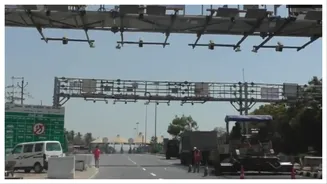
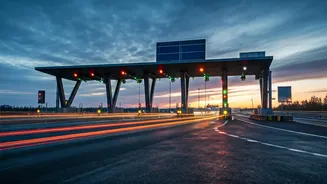
of India's inaugural Multi-Lane Free Flow (MLFF) tolling system. This pioneering technology eliminates the need for physical toll plazas, allowing vehicles to pass through toll points without any interruption or need to stop. The system leverages advanced technologies like Automatic Number Plate Recognition (ANPR) alongside the existing FASTag infrastructure to facilitate a completely automated tolling process. This transition is poised to fundamentally transform the user experience on national highways, delivering a substantial boost to both efficiency and convenience for millions of travelers. The initial implementation saw an impressive adoption, with approximately 41,500 vehicles successfully navigating the MLFF toll location on its very first day of operation, showcasing the system's immediate impact and readiness.
Benefits Beyond Speed
The introduction of the MLFF system on NH-48 is set to bring about a cascade of positive effects beyond just eliminating the need to stop at toll booths. Travelers can anticipate significantly reduced congestion at these points, leading to a noticeable decrease in overall travel duration. This enhanced flow directly translates into improved fuel efficiency for vehicles, as the stop-and-go nature of traditional toll collection is removed. Furthermore, by minimizing idling and frequent acceleration, the system will contribute to a reduction in vehicular emissions, promoting a cleaner environment. This technological leap not only enhances the convenience of highway travel but also aligns with broader goals of sustainability and operational excellence for the nation's road infrastructure, making journeys more economical and environmentally conscious.
Navigating the New System
For a smooth and trouble-free experience with the new MLFF tolling system, highway users are strongly advised to ensure their FASTag accounts are adequately funded. The system relies on seamless electronic transactions, and a sufficient balance is crucial for uninterrupted passage. In instances where a FASTag might have an insufficient balance or be invalid, users will receive an Electronic Notice (E-Notice) for the non-payment of the user fee. It's important to note that these E-Notices require prompt action; the user fee must be settled within 72 hours of receiving the notification. Failure to comply with this timeframe will result in the user fee being charged at double the normal rate applicable to the vehicle's category. Persistent non-payment of these E-Notices can lead to more serious consequences, including the blacklisting of the FASTag and potential restrictions on other vehicle-related services managed through the VAHAN platform.
Boosting Operational Efficiency
The nationwide implementation of the MLFF system promises to significantly enhance the operational effectiveness of toll collection. By removing the physical infrastructure associated with traditional toll plazas, the National Highways Authority of India (NHAI) anticipates a reduction in operational expenditures. This shift towards automation and minimal human intervention is expected to foster greater transparency in toll operations. The move is designed to support a more streamlined, robust, and cost-efficient tolling ecosystem across the entire network of national highways. This modernization is a strategic step towards creating a more sustainable and technologically advanced framework for managing toll collection, ultimately benefiting both the authorities and the commuting public by creating a more dependable and economical highway usage model.