
Mega Infra Projects
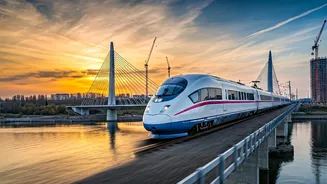
The Budget 2026-27 allocated substantial funds towards infrastructure development, including the announcement of seven new high-speed rail corridors, aimed
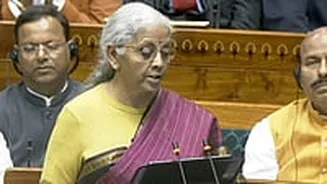
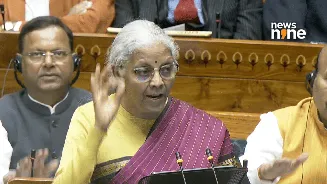
at improving connectivity between major cities. Additionally, the government proposed the creation of Mega Textile Parks, operating in a challenge mode, to foster growth in the textile sector and encourage value addition, particularly in technical textiles. To support these developments, Finance Minister Nirmala Sitharaman stated the capital expenditure would be increased to Rs 12.2 lakh crore. This commitment reflects the government's strategy to enhance infrastructure as a driver of economic expansion and create new avenues for investment and job creation across the country, focusing on sustainable and technologically advanced development.
SME Growth Fund
A dedicated SME Growth Fund, with an allocation of Rs 10,000 crore, was introduced to incentivize and support the growth of small and medium enterprises. This fund is designed to nurture future champions in the SME sector by providing crucial financial backing and creating an environment that supports business expansion. The fund's structure is aimed at helping SMEs in their development phases, offering them risk capital and strategic support. This initiative recognizes the importance of SMEs as contributors to economic growth, innovation, and employment, providing them with the necessary tools to flourish and compete in the broader market landscape. By focusing on SMEs, the government intends to promote an inclusive economic model.
Waterways and Coastal
The budget included significant efforts to boost the efficiency and scope of waterways. The government plans to operationalize 20 new National Waterways over the next five years. The initial phase includes connecting mineral-rich regions like Talcher and Angul, as well as industrial hubs such as Kalinga Nagar, to the ports of Paradeep and Dhamra via National Waterway-5. Additionally, the Coastal Cargo Promotion Scheme will be launched to encourage a shift from rail and road transport towards inland waterways and coastal shipping. The aim is to increase the share of these modes of transport from 6% to 12% by 2047, improving logistics and promoting sustainable transportation. Furthermore, a Seaplane VGF Scheme is proposed to provide operational support.
Economic Region Focus
Recognizing the importance of urban areas, the budget proposed the development of city economic regions to stimulate growth and create opportunities. The government has allocated Rs 5,000 crore for these city economic regions over a period of five years. This initiative highlights the government's commitment to supporting urban centers. In addition, the Self-Reliant India Fund, established in 2021, will be augmented with Rs 2,000 crore. This infusion of funds aims to help microenterprises maintain access to vital risk capital. The goal is to strengthen the economic foundations of urban areas and promote inclusive growth.
Freight and Corridors
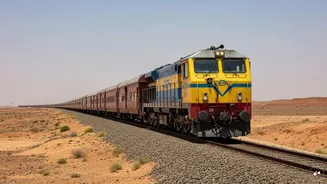
The 2026-27 budget included plans to enhance the country’s freight infrastructure, with initiatives to improve connectivity and logistical efficiency. New Dedicated Freight Corridors will be established to link Dankuni in the East to Surat in the West, improving the flow of goods across major economic zones. Moreover, recognizing the risks involved in infrastructure development, an Infrastructure Risk Guarantee Fund will be created to offer partial credit guarantees to lenders. This fund aims to support private developers by mitigating risks during the construction phases of infrastructure projects, consequently encouraging investment and promoting economic growth. These initiatives showcase the government’s commitment to improving connectivity and fostering a conducive business environment.
Chemical Parks and More
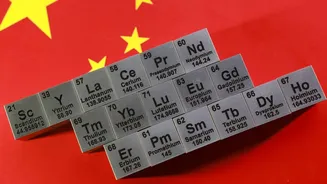
To support domestic chemical production and lower import dependence, the government plans to establish three dedicated Chemical Parks with state backing. Also, the budget proposes support for mineral-rich states, including Odisha, Kerala, Andhra Pradesh, and Tamil Nadu, to develop dedicated Rare Earth Corridors. These corridors will facilitate mining, processing, research, and manufacturing activities in these areas. Furthermore, a ship repair ecosystem catering to inland waterways is slated for development in Varanasi and Patna. These initiatives focus on boosting industrial capacity, promoting regional economic development, and enhancing overall economic self-reliance across multiple sectors.