
Job Losses Loom
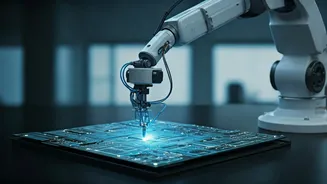
The rapid advancement of artificial intelligence is fundamentally changing how work is done, and this shift is not without its challenges. One of the primary
concerns is the potential for job displacement on a massive scale. As AI-powered systems become more capable, they can automate tasks previously handled by human workers across a variety of industries. This technological evolution presents a real challenge, as it leads to widespread job losses, particularly in sectors where tasks are repetitive and easily automated. Understanding this issue is vital, and the proactive implementation of adaptation strategies is essential to minimize the potentially negative impacts on both individuals and society.
Psychological Distress Arises
The loss of a job is often a deeply personal experience, and the prospect of widespread unemployment can have profound psychological effects on individuals and communities. Losing one's job can trigger feelings of anxiety, depression, and a loss of self-worth. It can also create financial instability, leading to increased stress and difficulties. When unemployment is widespread, it can erode the social fabric, leading to feelings of isolation and despair. The pressure of financial strain, coupled with the emotional toll of unemployment, can have far-reaching consequences, affecting mental health, family relationships, and overall well-being. It is paramount to recognize these potential impacts and to develop and implement effective mental health resources and support programs to aid those affected.
Potential Societal Impacts
Beyond the psychological challenges, large-scale job displacement could have substantial implications for society as a whole. An increase in unemployment can lead to higher rates of poverty and inequality, potentially fueling social unrest. People who have lost their jobs may turn to crime or other forms of illicit activity to make ends meet, further destabilizing communities. Additionally, a decline in consumer spending due to unemployment could hinder economic growth, creating a cycle of decline. Such societal consequences emphasize the need for thoughtful policies and initiatives to address the underlying causes and mitigate these potential effects. Governments and organizations must work together to provide effective solutions that foster economic resilience and protect the well-being of the population.
Mitigation Strategies Needed
Addressing the challenges posed by AI-driven job displacement requires a comprehensive strategy that includes several key components. Firstly, providing education and training programs that equip individuals with the skills needed for the jobs of the future is essential. This can include programs focused on areas such as data analysis, AI development, and digital literacy. Secondly, social safety nets, such as unemployment benefits and job placement services, are needed to provide support to those who have lost their jobs. These measures can help people through difficult times and assist them in finding new employment. Finally, proactive economic policies that promote job creation and encourage investment in new industries are crucial. This may include providing incentives for companies to invest in AI-related technologies, as well as providing support for entrepreneurs. A holistic approach is needed to minimize negative effects.
Preparing For The Future
As AI continues to transform the workplace, it is essential to begin preparing for the future. Individuals should seek to acquire new skills and adapt to the changing demands of the job market. Businesses must invest in training and development programs to equip their workforce with the skills needed for the future. Governments should develop policies that support workers and promote economic resilience. It is vital to start planning and implementing these changes now. By taking proactive steps, individuals, businesses, and governments can work together to create a future where the benefits of AI are shared widely, and the potential negative effects are minimized. A forward-thinking approach is critical to successfully navigating this technological revolution and achieving sustainable growth and prosperity.