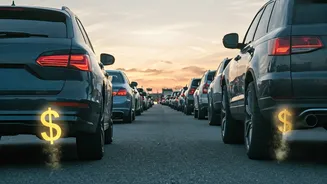

Costly Daily Gridlock
Ajit Pawar highlighted the staggering financial impact of Pune's traffic jams, stating that citizens are losing a massive Rs 900 crore every day. This
daily economic drain is primarily due to wasted time and fuel, as commuters are stuck in traffic for extended periods. This results in lost productivity and increased transportation expenses, both of which severely affect the city's overall economy. This financial burden is felt by individuals and businesses alike, making it imperative to find a solution. The sheer scale of these losses underscores the urgency of addressing the traffic situation in Pune. These figures indicate an immediate need for interventions to alleviate traffic and mitigate its detrimental economic consequences.
Seeking Relief: Free Transport
In response to the economic strain, Ajit Pawar advocated for a free public transport system. The idea behind this proposal is to reduce the number of private vehicles on the roads, thereby easing congestion. By providing free public transportation, the government aims to encourage more people to use buses and other forms of public transit, making commuting more efficient and cost-effective. Implementing this measure could also lead to environmental benefits. Reduced traffic would mean lower emissions and a cleaner environment. The proposal for free public transport is a critical step towards improving both the economic well-being and the quality of life for Pune's citizens, while also tackling the environmental impact of heavy traffic.
Impact and Wider Effects
The traffic jams in Pune have widespread consequences, affecting various aspects of life. The daily loss of Rs 900 crore affects not only individual incomes but also impacts businesses, trade, and overall economic activity. When commuters spend more time in traffic, it reduces their available working hours and affects the productivity of companies. The financial stress is felt across the board. Furthermore, increased traffic increases pollution levels, affecting public health and adding to healthcare costs. Thus, the need to improve traffic management extends beyond mere convenience; it is a necessity for the economic health of Pune and the well-being of its population. The situation underlines the need for swift and comprehensive measures to improve traffic flow and ease the economic burden on the city.
Addressing the Crisis
Solving Pune's traffic crisis will need a multifaceted strategy. Besides free public transport, other potential solutions could involve improved road infrastructure, such as flyovers and wider roads. Better traffic management systems using technology can also help regulate traffic flow more efficiently. Encouraging the use of carpooling and public transportation through incentives will be crucial. Furthermore, the authorities could explore implementing staggered working hours or remote work options to reduce the peak traffic volume. Effective solutions will require integrated planning involving the government, public transport authorities, and citizens. A comprehensive approach will not only alleviate the economic burden but also create a more livable and sustainable environment for the city of Pune.