






Anticipating the Date
In India, Bakrid, also recognized globally as Eid al-Adha, is projected to occur on May 27, 2026. However, this date is contingent upon the sighting of
the moon, as the Islamic calendar strictly adheres to lunar cycles. This astronomical dependency means that the final confirmation will be announced closer to the festival, once the crescent moon is sighted by religious authorities. This tradition underscores the deep connection between celestial observations and the timing of significant religious observances in Islam. The anticipation for this date builds throughout the preceding weeks, as families and communities begin to make their arrangements for this joyous occasion, which is one of the two most significant festivals in the Islamic faith, celebrated with immense fervor and devotion by Muslims worldwide.
A Testament of Faith
Eid al-Adha fundamentally commemorates the unwavering faith and profound devotion of Prophet Ibrahim. Islamic tradition recounts his willingness to sacrifice his own son, Ishmael, as a testament to his absolute obedience to God's divine command. Before this ultimate act of submission could be carried out, divine intervention occurred; God, in His infinite mercy, replaced Ishmael with a lamb, signifying the divine acceptance of Ibrahim's sincerity and the ultimate value of compassion. This pivotal event forms the spiritual cornerstone of Eid al-Adha, serving as a powerful reminder for believers about the virtues of sacrifice, deep gratitude, empathy towards fellow human beings, and the importance of selfless devotion in one's spiritual journey.
Vibrant Community Spirit
The celebration of Eid al-Adha is a collective and joyous affair, beginning with special congregational prayers held at mosques and open grounds known as Eidgahs. Worshippers, often adorned in their finest traditional attire, gather in large numbers before dawn to offer their prayers. Following the prayers, a spirit of camaraderie takes over as individuals greet each other with warm wishes of 'Eid Mubarak' and embrace one another. The day is then dedicated to spending quality time with loved ones, visiting relatives, and strengthening familial bonds. This emphasis on togetherness is a hallmark of the festival, fostering a sense of unity and shared joy among the Muslim community and their friends.
Feasts and Festivities
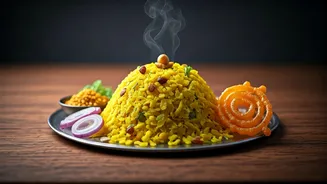
Culinary delights are an integral part of the Eid al-Adha festivities, with households buzzing with activity as they prepare a variety of traditional delicacies. Popular dishes often include rich and aromatic biryani, succulent kebabs, creamy korma, and the sweet vermicelli pudding, sheer khurma. These mouth-watering meals are shared with family and friends, further enhancing the festive atmosphere. Beyond the home, markets in major Indian cities like Delhi, Lucknow, Hyderabad, Kolkata, and Mumbai experience a surge in activity as people shop for new clothes, sweets, spices, and other essentials needed for the celebrations. This bustling commercial aspect adds another layer to the grand observance of Bakrid across the nation.
Embracing Generosity
Beyond the joyous celebrations and feasting, Eid al-Adha carries a profound message of charity and compassion for the less fortunate. A significant aspect of the festival involves the distribution of food and donations to the poor and needy, embodying the spirit of generosity and empathy. This act of sharing reinforces the festival's core values, reminding individuals of their responsibility to support those facing hardship. By extending a helping hand, Muslims not only fulfill a religious obligation but also actively contribute to fostering a more equitable and humane society. This emphasis on altruism ensures that the blessings of the festival are shared widely, touching the lives of all members of the community.