
A Deal Finally Done
The culmination of two decades of discussions, the India-EU Free Trade Agreement (FTA) marks a significant turning point. This agreement, a product of extensive
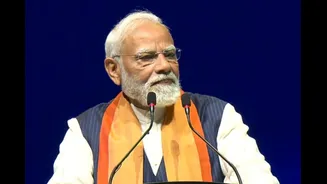
negotiation, signals a commitment to fostering stronger economic ties between India and the European Union. Prime Minister Narendra Modi hailed the signing as a landmark achievement, highlighting its potential to unlock new opportunities. The FTA is designed to be a 'living agreement,' incorporating multiple review mechanisms to ensure its relevance and responsiveness to evolving economic dynamics. This collaborative approach underscores the commitment of both parties to a sustained and mutually beneficial partnership, geared towards long-term economic growth and cooperation.
Market Access Expansion
The FTA's primary goal is to provide broader access to markets. This is particularly relevant for sectors like Indian pharma, which is expected to gain enhanced access to the EU market. The agreement is poised to reduce trade barriers, thereby facilitating increased exports and investment flows. Furthermore, the pact will likely result in tariff reductions and removal of other trade restrictions, promoting competitive advantages and streamlining trade procedures. This focus on opening markets promises enhanced benefits for various industries, fostering economic expansion, and encouraging international collaboration. The move is designed to support economic activity and create new avenues for growth and investment, thereby strengthening overall economic relations between the two parties.
Impact on Sectors
Several sectors are anticipated to benefit from the FTA. India's gems and jewellery industry, for instance, is well-positioned to compete with China and Thailand in the EU market. The agreement will create opportunities for businesses of all sizes, leading to job creation and economic growth. The textile sector anticipates a boost, driving export expansion. The FTA offers a level playing field, creating an environment that encourages investment, technological transfer, and knowledge sharing. This is expected to trigger innovation and diversification in the industry. The agreement is specifically beneficial for those looking to expand into the EU market, providing them with essential benefits, like access and support, which in turn will bring benefits to the broader economy.
Resilient Partnership Ahead
The FTA represents a strategic move towards a more robust economic partnership. It is a sign of resilience and commitment to fostering stronger bilateral relations. It reflects a mutual understanding of the importance of economic cooperation and collaboration in a rapidly changing global environment. The 'living agreement' framework enables both parties to address emerging challenges and capitalize on new opportunities. Furthermore, the deal serves as a catalyst for deeper integration, stimulating economic activity, and enhancing global competitiveness. The FTA is more than just a trade agreement; it symbolizes a strategic alliance, setting the stage for increased investment, technology transfer, and collaborative growth between India and the EU.