
FTA: A New Beginning
The India-EU Free Trade Agreement (FTA) is a highly anticipated pact scheduled for rollout by 2027, as announced by Prime Minister Narendra Modi. This
agreement signals a major stride towards strengthening the economic ties between India and the European Union. Negotiations culminated in this landmark deal, representing a new phase in trade relations. The anticipation surrounding this FTA stems from its potential to reshape the trading landscape, promising increased opportunities for businesses and consumers alike. The deal is expected to have a considerable influence on India's economic trajectory, opening doors to new markets and avenues for growth. It underscores a commitment to fostering stronger economic cooperation and collaboration between India and the EU member states. This agreement is expected to be a key driver in India's aspiration to become a leading global economic player.
Boosting Indian Exports
One of the key outcomes of the India-EU FTA is the projected doubling of exports from India. This substantial increase is expected due to tariff reductions on 96% of goods. This initiative is particularly beneficial for Indian exporters, allowing them to gain a competitive edge in the EU market and expanding their reach. The FTA is anticipated to bolster India's position in sectors such as gems and jewelry, which is comparable to leading global players like China and Thailand. The agreement is also expected to offer Indian pharmaceutical companies enhanced access to the EU market. This increased access is critical for the growth and expansion of these sectors, making them more competitive internationally. The FTA promises a boost in trade volumes and opens up new pathways for Indian businesses to connect with the EU market. This will lead to a more diversified and robust export portfolio, driving economic growth across multiple sectors.
Impact on Key Sectors
The FTA's influence will be particularly noticeable across crucial sectors of the Indian economy. The gems and jewellery sector, known for its significant contribution to exports, stands to benefit from improved market access and reduced tariffs, thus boosting its competitiveness. Likewise, the pharmaceutical industry is expected to receive a major boost through stronger market access in the EU. This will allow Indian companies to expand their footprint and increase their sales in this key market. The textile industry also anticipates a major boost, with the FTA weaving new hope for achieving its ambitious export goals. The focus on strategic sectors ensures the FTA has a wider impact. This will benefit both established businesses and smaller enterprises in the process. The agreement is designed to create a conducive environment for growth and innovation, driving economic advancement across key sectors.
Facing the Challenges
While the India-EU FTA holds great promise, it also brings up certain challenges that need careful consideration. One significant aspect is the absence of concessions for New Delhi in relation to Carbon Border Adjustment Mechanism (CBAM) regulations, which could pose a challenge for Indian exporters. Furthermore, the shift in iPhone production is causing a shift in the EU's electronics exports from India. The government must focus on adapting to these challenges and exploring strategies to mitigate potential risks. Proactive approaches, such as providing support to businesses and adjusting trade policies, are crucial. Additionally, a commitment to consistent dialogue and collaboration between Indian and EU stakeholders is essential. By addressing these challenges strategically, India can fully leverage the FTA's benefits while ensuring sustained economic progress and resilience in the face of shifting global trade dynamics.
Investment and Energy
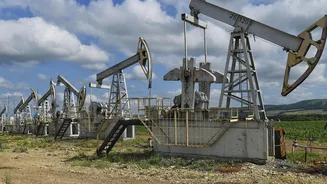
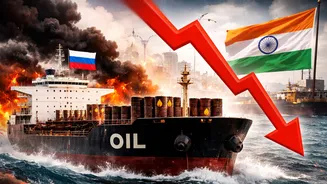
Beyond trade, the FTA's potential to attract significant investments in India's energy sector is notable. With the energy sector offering a $500 billion investment potential, the FTA is anticipated to attract substantial foreign investments. This could lead to a boost in renewable energy infrastructure and the modernization of the energy grid. This inflow of investments can generate employment, accelerate economic growth, and promote technological advancements. Furthermore, the ongoing resilience of Russia's oil flows into India is important to watch, with an expectation that these flows will continue into 2026. This dynamic underscores the importance of diversifying energy sources and establishing strong international partnerships to meet India's expanding energy needs. The combination of energy investments and diversified trade relationships will contribute to a more stable and prosperous economic climate in India.