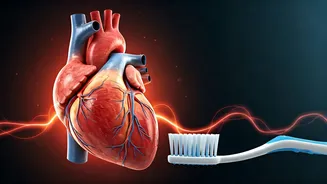

The Unseen Link
That nightly ritual of brushing your teeth, often seen as a chore, carries weight far beyond preventing cavities. Experts highlight a significant connection
between consistent oral hygiene, especially before bedtime, and the well-being of your heart. Research, including a recent study from 2023, indicates that poor oral care is associated with an increased likelihood of developing heart disease and even heart failure. While not a direct cause-and-effect, the accumulation of bacteria in the mouth due to neglecting nighttime brushing can lead to systemic inflammation. This inflammation, when persistent, may affect blood vessels over time, contributing to the buildup of plaque and consequently elevating the risk of cardiovascular issues. The ease with which we can address this risk factor makes it a compelling aspect of overall health management.
Bacteria's Inflammatory Pathway
The pathway through which oral bacteria can influence heart health is rooted in inflammation. When teeth are not brushed before sleep, plaque and bacteria thrive, releasing toxins. These toxins can enter the bloodstream, initiating a systemic inflammatory response throughout the body. Public health experts explain that this chronic inflammation can damage the delicate lining of blood vessels. Over extended periods, this damage contributes to atherosclerosis, the hardening and narrowing of arteries due to plaque buildup. While not every individual with poor oral hygiene will inevitably face heart problems, maintaining a clean mouth actively combats this inflammatory cascade, thereby supporting a healthier cardiovascular system. It’s a crucial, yet often underestimated, element in the complex landscape of heart health.
Boosting Heart Health Daily
The benefits of consistent oral care extend significantly to heart health, with more frequent brushing correlating with better cardiovascular outcomes. Studies suggest that brushing your teeth at least three times a day, coupled with regular professional dental cleanings, is linked to a reduced risk of heart disease. Beyond preventing common dental ailments like gum disease and tooth loss, this habit contributes to lower overall inflammation. Dr. Kunal Sood emphasizes that optimizing oral hygiene is one of the most accessible strategies for supporting your heart. By prioritizing these simple actions, individuals can proactively mitigate one of the contributing risk factors for cardiovascular problems, making it an integral part of a holistic approach to well-being.
Integrating Oral Care
Assessing your overall heart health involves looking at several key indicators, including blood pressure, cholesterol levels, blood sugar, genetic predispositions, and lifestyle choices like diet, exercise, and smoking. Oral hygiene seamlessly integrates into this broader picture by actively preventing gum disease and reducing systemic inflammation. Dr. Jagadish Hiremath advises that regular brushing, flossing, and dental checkups are not just about your teeth; they actively complement a heart-healthy regimen by lowering a significant risk factor for cardiovascular issues. Attending routine dental appointments for cleanings and addressing early signs of gum problems are vital steps in maintaining both oral and cardiovascular health effectively.
Practical Hygiene Tips
For individuals navigating busy schedules, maintaining consistent oral hygiene is paramount. Dr. Hiremath stresses that consistency is more important than perfection. Aiming for two minutes of brushing at least twice daily, with an additional quick brush after lunch, can make a substantial difference. Incorporating flossing or the use of interdental brushes before bedtime is essential to remove plaque that a toothbrush might miss. To ensure you never skip this crucial step, consider keeping a travel-sized toothbrush and toothpaste at your workplace or in your bag. Furthermore, scheduling dental checkups every six months allows for early detection and management of potential issues, safeguarding your oral and, by extension, your heart health without becoming an overwhelming burden.