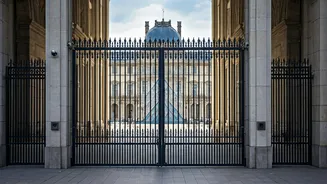

Strike Extended
The recent extension of the strike by Louvre Museum employees in Paris underscores the severity of their concerns regarding enhanced security protocols.
The initial strike, which commenced due to increased scrutiny, has now been prolonged as the workers continue to voice their dissatisfaction with these new measures. This situation reflects a deeper issue: the balance between ensuring visitor safety and maintaining reasonable working conditions for the museum staff. The vote to extend the strike suggests that the initial measures taken by the management have not adequately addressed the employees' concerns. It further highlights the need for a comprehensive reassessment of security practices to accommodate the needs and expectations of the museum’s workforce, which plays an essential role in its daily operations and success.
Security Scrutiny Concerns
The core of the dispute revolves around the intensification of security checks implemented at the Louvre. Employees have expressed their discontent with the nature and frequency of these inspections, suggesting they are intrusive and detrimental to their working environment. The specifics of this heightened scrutiny haven’t been publicly detailed; however, it's evident that the measures in place are causing significant discomfort among the staff. This uneasiness highlights the delicate balance museums and cultural institutions need to strike. They must protect valuable artifacts and ensure the safety of visitors and employees, while simultaneously preserving a respectful and comfortable workplace. The Louvre's situation sets a precedent for how other major museums handle security, indicating a need for transparent dialogue and collaboration with employees to reach an agreeable solution.
Impact and Implications
The ongoing strike has the potential to impact the Louvre's operations and the overall experience of visitors. Extended closures or reduced hours could lead to decreased accessibility and cause significant disruptions. Further, these events could affect the public's perception of the museum and its staff. This situation is particularly significant as the Louvre is a cornerstone of Parisian culture and a major tourist destination, welcoming millions of visitors annually. If not resolved quickly, the dispute could have wider implications, potentially inspiring similar actions at other cultural institutions dealing with similar security protocols. Consequently, the resolution of the strike will be critical, establishing a standard for how museums can balance security with workforce satisfaction and visitor accessibility.
Negotiations and Solutions
To resolve the ongoing conflict, communication and negotiations between museum management and the striking employees are essential. The details of these discussions will determine the future of the situation. Some possible solutions include adjusting the security protocols, providing better training for staff, or providing enhanced support to make the security procedures less intrusive. It is expected that the management will have to consider the employees' concerns in their final decision. Compromises on both sides will probably be required for a sustainable and agreeable resolution. The end result of these negotiations will not only impact the Louvre but also provide valuable insights for other cultural institutions. Successfully navigating this situation will be key to re-establishing trust and sustaining the Louvre's reputation as a globally recognized and well-regarded cultural landmark.