





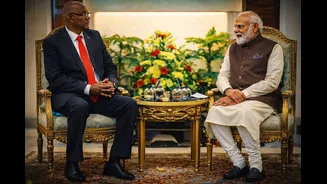

Forging New Alliances
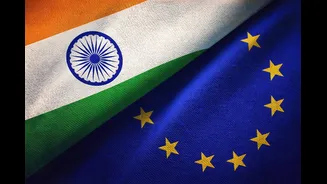
Recent discussions between India and the EU have led to the establishment of several vital agreements, notably in the domains of security, defense, and mobility.
The culmination of these deals occurred during the ongoing Free Trade Agreement (FTA) negotiations, indicating a mutual commitment to fortifying their collaboration. The pacts represent an important stride towards deepening the relationship between India and the EU. These freshly inked partnerships cover a broad spectrum, intending to foster cooperation and stability through varied channels of collaboration. These agreements are seen as foundational steps in advancing the FTA negotiations, fostering an environment of shared goals and mutual benefits. The deals underscore the commitment of both India and the EU to fortify their relationship, aiming for increased cooperation and progress in various sectors.
Security and Defence Ties
The security and defense agreements constitute a pivotal element of the new partnerships established between India and the EU. These accords facilitate increased cooperation on matters of mutual security concerns and the defense sector. The deals likely include mechanisms for the sharing of intelligence, joint exercises, and collaborative projects that enhance their defense capabilities and promote stability. The collaborations are aimed at addressing global security issues and reinforcing their commitment to international norms. Discussions between the two partners have centered on fostering a more unified front against emerging security challenges, including terrorism, cyber threats, and maritime security. Such agreements underscore a commitment to bolstering their strategic ties and responding collectively to emerging security concerns, promoting a more stable and secure global environment.
Mobility Partnerships Defined
The agreements also highlight the importance of mobility partnerships between India and the EU. These initiatives often encompass provisions for easier movement of people, including students, researchers, and professionals, between the two regions. Such cooperation helps streamline visa processes, recognize qualifications, and facilitate exchanges. Enhanced mobility fosters stronger people-to-people connections, boosts cultural exchanges, and contributes to the economic growth of both India and the EU. Mobility agreements can act as a catalyst for innovation and knowledge exchange, as the flow of talent contributes to the growth of various industries. These partnerships represent an effort to ease travel and enhance opportunities for educational and professional advancement, enriching the relationship between both regions.
FTA Negotiations Progress
The signing of these partnerships occurs during ongoing FTA negotiations between India and the EU. The deals are intended to provide momentum to these discussions. The FTA negotiations aim to reduce tariffs, improve trade flows, and create favorable business conditions between both partners. The development of new agreements can help to build confidence and streamline the negotiation process. Progress in security, defense, and mobility will potentially create a favorable environment for finalizing a comprehensive FTA. These recent collaborations are projected to facilitate a more inclusive and advantageous trade framework, leading to enhanced business prospects and economic growth for both parties.
Impact and Future Outlook
The newly established agreements between India and the EU are expected to have a considerable effect on the partnership between the two. These collaborations offer significant potential for enhanced security, greater economic integration, and stronger people-to-people ties. The success of these agreements will also depend on their sustained implementation and ongoing commitment from both sides. With these initial agreements finalized, focus can now turn towards further steps to be taken in relation to the FTA. The long-term trajectory of this collaboration will hinge on a unified commitment to mutual benefits, adaptability to dynamic global shifts, and proactive engagement to maximize the potential of their partnership.