







Humble Origins, Rich History
Originating from the vibrant state of West Bengal, Jhalmuri is a beloved snack whose roots lie in the simple puffed rice, or 'muri'. While muri has been
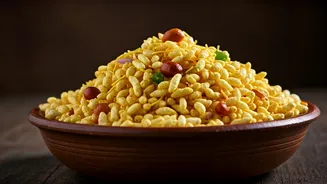
a staple food in Bengali households for centuries, often referred to historically as a 'poor man’s offering', its modern iteration, Jhalmuri, boasts a more complex and flavourful profile. In earlier times, women in rural Bengal would prepare a basic version of muri, often served with sweet accompaniments like jaggery or grated coconut, as a way to supplement their income. The evolution of Jhalmuri is intrinsically linked to the urban migration that characterized Bengal's societal shifts. As people moved to cities, this convenient and affordable snack found a strong following among railway travellers, prized for its ability to remain fresh even in warm weather and its pocket-friendly price. The contemporary Jhalmuri is far from its rudimentary beginnings; it's now an intricate medley of textures and tastes, artfully combining various pulses, crunchy nuts, a blend of aromatic spices, and the distinct, pungent kick of mustard oil, creating a truly 'orchestral' sensory experience.
Political Symbolism Takes Hold
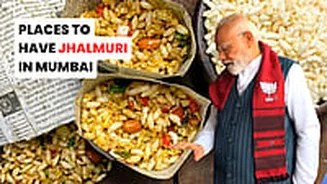
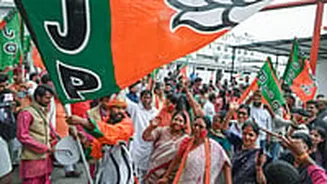
The journey of Jhalmuri from a common snack to a potent political symbol was significantly marked when Prime Minister Narendra Modi made an impromptu stop to purchase a packet during an election campaign in Jhargram. This memorable moment quickly became intertwined with the narrative of intense political competition. The Prime Minister himself later commented on the occasion, noting his enjoyment of the snack while suggesting that his political adversaries were experiencing the 'spice' of the electoral battle. Following electoral outcomes that favoured the ruling party, Jhalmuri began to feature prominently in victory celebrations, often replacing traditional sweets. In regions like Delhi and Uttar Pradesh, supporters distributed packets of Jhalmuri during their jubilant gatherings, likening the snack’s 'magic' to the impactful reach of their campaign efforts. In these celebratory contexts, Jhalmuri was presented not just as food, but as a declaration of defiance and a tangible sign of triumph, embodying the spirit of the campaign.
Commercial Ascent and Visibility
The heightened political attention surrounding Jhalmuri has undoubtedly spurred significant commercial developments and broadened its visibility across India. In Rajkot, Gujarat, for instance, members of the political party celebrated electoral successes by indulging in Jhalmuri, which had been newly introduced as a product by a well-known snack manufacturer. This move was directly inspired by the widespread circulation of images depicting the Prime Minister enjoying the snack. Back in West Bengal, local Jhalmuri vendors experienced a remarkable surge in their profile, with some street food stalls that had served the Prime Minister gaining national recognition. The popularity of Jhalmuri has now extended beyond its traditional regional strongholds, transforming into what many describe as a national phenomenon. Its presence is increasingly felt across diverse regions and commercial landscapes, with the very essence or 'soul' of Jhalmuri now being a prominent part of a much larger public discourse and marketplace.