


Ancient Ritual, Modern Appeal
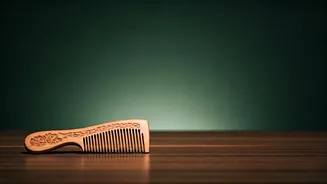
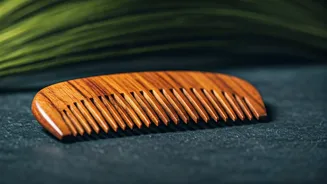
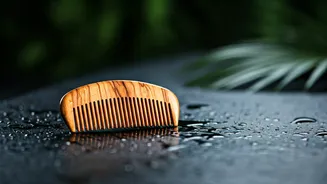
The practice of massaging the scalp, particularly with a wooden comb, has roots in various cultures, including India, and is experiencing a surge in popularity
globally, especially on social media. Often touted as a remedy for premature greying and hair loss, this seemingly simple ritual involves a gentle massage before sleep. While its viral appeal is recent, the concept of scalp manipulation for hair health is far from new, weaving together tradition and contemporary interest in wellness practices.
Circulation and Pigment Cells
There's a physiological basis for the perceived benefits of scalp massage. Dr. Shweta Nakhawa, a consultant dermatologist, explains that stimulating the scalp enhances blood flow. This improved circulation delivers vital oxygen and nutrients directly to the hair follicles, fostering healthier hair growth. Furthermore, better blood flow may help maintain the vitality of pigment cells, potentially slowing down the onset of grey hair. However, it's crucial to understand that greying is a complex process influenced by numerous factors beyond circulation, including genetics, aging, and overall lifestyle choices. Therefore, while massage can be a supportive practice, it's not a complete preventative measure against hair turning grey.
Stress Reduction's Role
The effectiveness of the wooden comb ritual can also be attributed to its profound impact on stress levels. Beyond mere physical stimulation, a soft scalp massage offers a moment of relaxation, significantly decreasing stress hormones. Given that stress is a well-established trigger for both premature greying and hair thinning, consistent engagement in this calming practice can lead to observable improvements. Individuals who incorporate this ritual into their daily routine may notice better hair health not due to any mystical properties, but because they are actively reducing stress and providing their scalp with gentle nourishment, creating an environment conducive to healthier hair.
Who Should Try It?
For the most part, incorporating a gentle scalp massage with a wooden comb or even fingertips is a safe practice for many individuals. A minute or two of mindful massage can be a pleasant addition to one's routine. However, caution is advised for those with pre-existing scalp conditions. Individuals suffering from conditions like eczema, psoriasis, or active scalp infections should consult a dermatologist before attempting this practice to ensure it doesn't exacerbate their symptoms or interfere with their treatment plan.
Realistic Expectations
It's important to approach the wooden comb ritual with realistic expectations. Dr. Nakhawa emphasizes that while massage and combing can be beneficial components of a hair care regimen, they are not miracle cures. The primary driver of hair greying remains genetic predisposition. For maintaining overall hair health, a balanced diet, adequate sleep, and effective stress management are paramount. For individuals already experiencing significant greying, established methods like hair dyes or medical interventions are currently the most evidence-based solutions available.
A Self-Care Practice
Ultimately, the Japanese wooden comb scalp ritual can be best viewed as a valuable wellness and self-care practice. It is an affordable, accessible way to unwind and can contribute to improved hair texture and better sleep quality. Rather than seeking a cure for greying or hair loss, consider it an act of self-kindness. If you find joy in incorporating calming rituals into your evenings, this practice offers a soothing and potentially beneficial addition to your bedtime routine, promoting relaxation and overall well-being.