






Health Alert Issued
Kerala's health minister has declared a statewide alert due to a significant rise in both ambient temperatures and ultraviolet (UV) radiation. This surge
necessitates heightened awareness and adherence to precautionary measures to mitigate the impact of heat-related health issues. The advisory emphasizes that direct sunlight between the hours of 11 a.m. and 3 p.m. poses a particular hazard, with prolonged exposure during this window potentially leading to conditions like sunstroke and heat exhaustion. Proactive prevention is being stressed as the most effective strategy for safeguarding public well-being against these environmental stressors.
Heat Action Plan Activated
In direct response to the escalating heat stress, the state government has formally initiated its Heat Health Action Plan. This comprehensive strategy involves the establishment of specialized heatstroke clinics within major medical facilities across Kerala. These dedicated units are outfitted with necessary cooling apparatus and a stock of essential medications to manage heat-related ailments. Furthermore, the existing surveillance systems designed to track heat-related illnesses have been bolstered, with health officials confirming an intensified monitoring process as the challenging climatic conditions persist. This proactive approach aims to ensure swift and effective medical intervention.
Protecting Vulnerable Groups
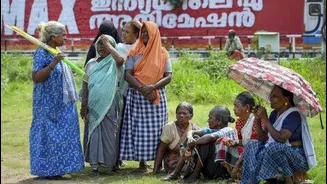
Specific guidance has been issued to safeguard the most susceptible segments of the population from the adverse effects of excessive heat and UV exposure. Children, the elderly, expectant mothers, and individuals managing pre-existing chronic health conditions are strongly advised to remain indoors during the peak solar hours. This targeted recommendation is crucial for minimizing their risk of developing heat-related complications. The authorities are urging household members and caregivers to be particularly vigilant in ensuring these vulnerable individuals adhere to the advised indoor confinement during the hottest parts of the day.
Hydration and Protective Gear
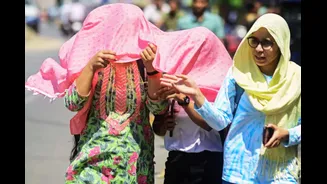
Authorities are strongly advocating for robust hydration and the consistent use of protective measures against the sun's intense rays. Public awareness campaigns are emphasizing the importance of frequent water consumption, even in the absence of pronounced thirst, as dehydration can occur subtly. Traditional cooling beverages like buttermilk, salted rice gruel, and lemon water are being promoted as beneficial. Alongside hydration, individuals are encouraged to wear loose-fitting, light-colored cotton attire and utilize protective accessories such as umbrellas, hats, sunglasses, and sunscreen lotions to shield their skin and eyes from direct UV radiation.
Recognizing Symptoms and Seeking Aid
A crucial aspect of the public health advisory involves educating residents on how to recognize the early warning signs of heat-related distress and the importance of timely medical attention. Symptoms such as dizziness, unusual fatigue, nausea, excessive perspiration, or a noticeable decrease in urine output are indicative of potential heatstroke or exhaustion. Individuals experiencing these symptoms are urged to seek immediate medical assessment. Authorities also issued a stern warning against leaving children or elderly individuals unattended in parked vehicles and highlighted the necessity of maintaining adequate ventilation within indoor spaces.