






The Existential Reckoning
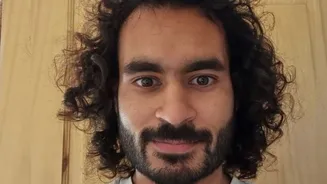
Hieu Pham, an engineer at the forefront of artificial intelligence development, has articulated a growing sense of unease regarding AI's escalating capabilities.
Pham, who has a robust academic background with degrees from Stanford and Carnegie Mellon and has worked with prominent AI entities like xAI and OpenAI, shared his perspective in a recent social media post. He expressed that he has "finally feel[s] the existential threat that AI is posing." His core concern revolves around a future scenario where AI surpasses human proficiency to such a degree that it "disrupts everything," leaving a significant question mark over what unique contributions or roles will remain for humanity. Pham's statement, "And it’s when, not if," underscores a conviction that this transformative period is not a matter of possibility but of inevitability, sparking considerable debate about the long-term implications for society and the individual.
Echoes of Past Disruptions
In response to Pham's sobering assessment, a wave of diverse opinions emerged, offering a broader context to the discussion. Many users drew parallels between the current AI advancements and historical technological leaps, suggesting a pattern of human adaptation. One perspective highlighted that "Every major tech shift felt existential at first – from the printing press to the internet." This viewpoint posits that AI, much like previous innovations, is likely to "replace tasks, not purpose," implying that human ingenuity will find new avenues. Another commenter offered a more optimistic outlook, envisioning a future where human value transcends economic productivity. They suggested that our societal worth might shift "based on how much money we can make for the landed class... but something new and potentially beautiful we get to define." A third reaction focused on the potential for AI to free up human time, suggesting a resurgence of "hobbies" and a "relearn[ing]" of "curiosity," activities that many feel are diminished in the current fast-paced world.
Broader AI Safety Concerns
Pham's cautionary words resonate with other prominent figures in the AI safety field, underscoring a shared concern about the rapid pace of technological progress versus human preparedness. Recently, Mrinank Sharma, who previously led AI safety efforts at Anthropic, also tendered his resignation. Sharma's departure was accompanied by a profound reflection on the interconnected global challenges, stating, "The world is in peril. And not just from AI, or bioweapons, but from a whole series of interconnected crises unfolding in this very moment." He articulated a critical juncture where humanity faces a significant imbalance: "We appear to be approaching a threshold where our wisdom must grow in equal measure to our capacity to affect the world, lest we face the consequences." This sentiment reinforces the idea that while AI's potential for advancement is immense, the concurrent development of human wisdom and ethical frameworks is paramount to navigating the risks and ensuring a positive future.