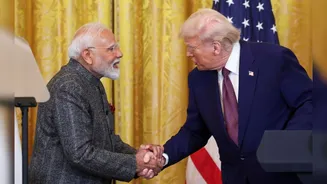

Trump's Controversial Statements
The origin of the controversy lies in the statements made by Donald Trump. His remarks, which have been labelled as insulting, were directed towards the North
Atlantic Treaty Organization. The nature of these statements involved questioning the commitment of some NATO members and suggesting potential actions that drew immediate criticism. Details on the exact context and wording are central to the issue, as they shape the reactions and subsequent discussions. These remarks quickly garnered attention, setting off a chain reaction of responses across the political spectrum. The specific language used and the setting in which the comments were made added fuel to the fire, amplifying their impact and leading to a significant political fallout.
Reactions and Condemnation
Trump's remarks did not go unnoticed, receiving a considerable amount of critical feedback from various political figures. Leaders and officials from different nations voiced their disapproval of the comments. Many considered the statements to be damaging to the unity and purpose of NATO. The condemnation was swift and wide-ranging, with multiple key voices calling for an apology. Politicians from both sides of the aisle, along with international bodies, took the opportunity to respond to the contentious statements. The scale and intensity of the response underlined the seriousness with which these statements were taken, as they seemed to undermine decades of international alliance-building. The level of criticism reflected the global impact of Trump’s statements.
Political Implications Unfold
The controversy surrounding Trump's comments is poised to reshape the political landscape, generating profound effects on both domestic and international spheres. Domestically, these statements are likely to influence ongoing political debates and shift public opinions regarding foreign policy. International relations could face significant hurdles as a result of these statements. The remarks have the potential to strain relationships with key allies and destabilize existing alliances, potentially causing major adjustments in the diplomatic strategies of numerous nations. As the repercussions of these statements emerge, it is crucial to closely follow their ramifications and the changing dynamics they create in global politics. These observations carry significant weight and call for ongoing scrutiny.
Examining NATO's Significance
NATO, as a cornerstone of international security, plays a pivotal role in promoting stability across the globe. Initially created to counter potential threats, the organization has consistently evolved, adapting to shifting global dynamics. The collective defense principle enshrined in the treaty ensures that an attack on one member is considered an attack on all, reinforcing its commitment. The organization’s efforts extend beyond military affairs, including diplomatic initiatives aimed at conflict prevention and peacekeeping operations. Through its commitment to shared values, NATO fosters cooperation and dialogue. Its ongoing adaptation to new challenges underscores its lasting significance in the geopolitical arena, reinforcing its role as a key contributor to global security. This continuing evolution is fundamental to its enduring relevance.
Future Diplomatic Outlook
Looking ahead, the consequences of Trump's remarks cast a shadow over future diplomatic endeavors. International relations are now faced with the delicate task of navigating the fallout from these comments and mitigating the potential damage to alliances. The need for rebuilding trust and restoring stability is paramount. Further actions and negotiations by global leaders are likely. Dialogue, diplomacy, and a commitment to upholding the core principles of international cooperation will be essential in navigating this complex landscape. The trajectory of international relations will depend on the actions and strategies implemented in the near future. How nations manage these discussions and address the lingering concerns will significantly influence the international political landscape.