




The Electric Shift
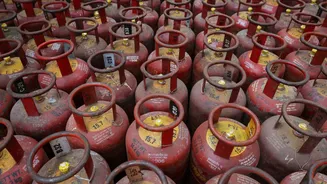
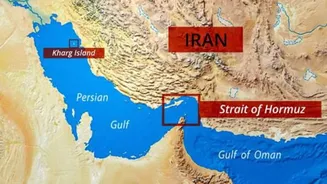
Recent geopolitical events, particularly in West Asia, have underscored India's reliance on imported fuels, leading to domestic LPG shortages and black
market activity. This has spurred a notable move towards electric cooking alternatives, with households increasingly opting for induction and infrared cooktops. Online sales platforms have witnessed a dramatic surge in demand for these appliances, with induction cooktops experiencing an eighteen-fold increase. Recognizing this trend, the government is also exploring measures to boost the domestic production of induction heaters and compatible cookware. While this transition promises to alleviate pressure on LPG supply and offer some respite to consumers, it concurrently introduces a new concern: a substantial increase in electricity consumption. This surge in demand arrives at a critical juncture, as the national power grid is already preparing to meet the demands of an anticipated hotter-than-usual summer.
Induction Cooktop Mechanics
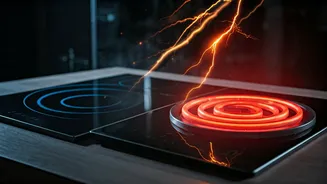
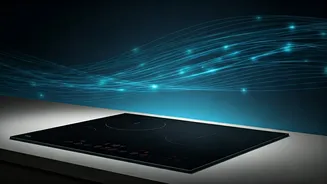
Induction cooktops are emerging as a practical solution for many Indian kitchens, largely due to their comparable cost to a single LPG cylinder on the black market, typically ranging from Rs 3,000 to Rs 4,000. Unlike conventional gas stoves that employ open-flame combustion, induction technology heats cookware directly through electrical means. It operates by generating a rapidly oscillating electromagnetic field. When a compatible metal pan is placed on the cooktop's surface, it enters this field. The inherent electrical resistance of the pan's material then creates friction between the magnetic field and the cookware. This interaction efficiently converts the kinetic energy of moving electrons directly into thermal energy, thus cooking the food. However, not all cookware is suitable for induction; it performs best with ferromagnetic materials like cast iron or magnetic stainless steel, which readily respond to magnetic fields. The necessity for specialized, and often more expensive, compatible cookware can be a deterrent for households considering a temporary or partial shift to electric cooking.
Infrared Cooktop Functionality
Infrared cooktops are gaining considerable popularity, despite their higher initial cost, offering a broader range of cookware compatibility. Unlike induction models, infrared cooktops utilize a heating coil situated beneath a glass surface. This coil generates radiant heat, which is then transferred to any type of pot or pan, regardless of its magnetic properties—making it suitable for steel, aluminum, glass, and ceramic vessels. The burgeoning interest in infrared cooktops is clearly reflected in sales figures, with online retailers reporting a nearly fourfold increase in demand compared to pre-conflict levels. The heating process involves electricity warming a coil or halogen element under a ceramic glass. As this element heats up, it emits infrared radiation, an invisible form of electromagnetic energy. This radiation penetrates the glass and is absorbed by the cookware's base, causing the molecules within the vessel to vibrate and generate heat for cooking. This method is less reliant on specific material properties compared to induction.
Efficiency and Heat Control
When comparing efficiency, induction cooktops generally outperform their infrared counterparts. Induction models boast an impressive 85–95% conversion rate of electricity directly into heat by employing electromagnetic fields to warm the vessel. In contrast, infrared cooktops operate at approximately 70–80% efficiency. This difference stems from their indirect heating mechanism: heat is first produced in a coil, then transferred to the glass surface, and finally to the cookware, with some energy inevitably lost to the surrounding environment. Consequently, an induction cooktop typically consumes slightly less electricity for the same cooking task. A more significant distinction lies in their heat management capabilities. Induction cooktops utilize advanced power electronics, often through rapid switching or frequency adjustments, to precisely control heat levels, maintaining efficiency even at low settings like simmering. Infrared cooktops typically regulate heat by altering the electrical waveform via phase-angle control. This involves turning the heating coil on and off cyclically. While this method is straightforward, it can distort the current waveform, leading to a reduced power factor, increased electrical losses, and diminished overall efficiency if widely adopted across a region, potentially straining local distribution infrastructure.
Grid Load Concerns
While official data on the precise additional electricity load from these appliances is yet to be released, experts caution that the primary concern isn't just the overall increase in demand, but the timing of that demand. Electricity consumption for cooking is heavily concentrated during morning and evening peak hours. Even a moderate surge of 3-5 GW during these periods could exert substantial pressure on local electricity distribution networks, according to Alekhya Datta of The Energy and Resources Institute (TERI). The fundamental challenge lies in managing these sharp, localized demand spikes, as much of the existing infrastructure was not designed to handle such sudden increases in load. Industry insiders share similar apprehensions, noting that the impact is often highly localized. A simultaneous shift to electric cooking by a cluster of households or businesses can overwhelm critical infrastructure like distribution transformers in that specific area, leading to power outages and necessitating costly upgrades. If this trend towards reducing LPG dependence persists long-term, it will require continuous demand monitoring, infrastructure enhancements, and secure power sourcing to maintain grid stability.