






Missed Opportunity Explained
The failed trade deal between India and the United States has left many wondering why the two countries couldn't reach an agreement. One key perspective
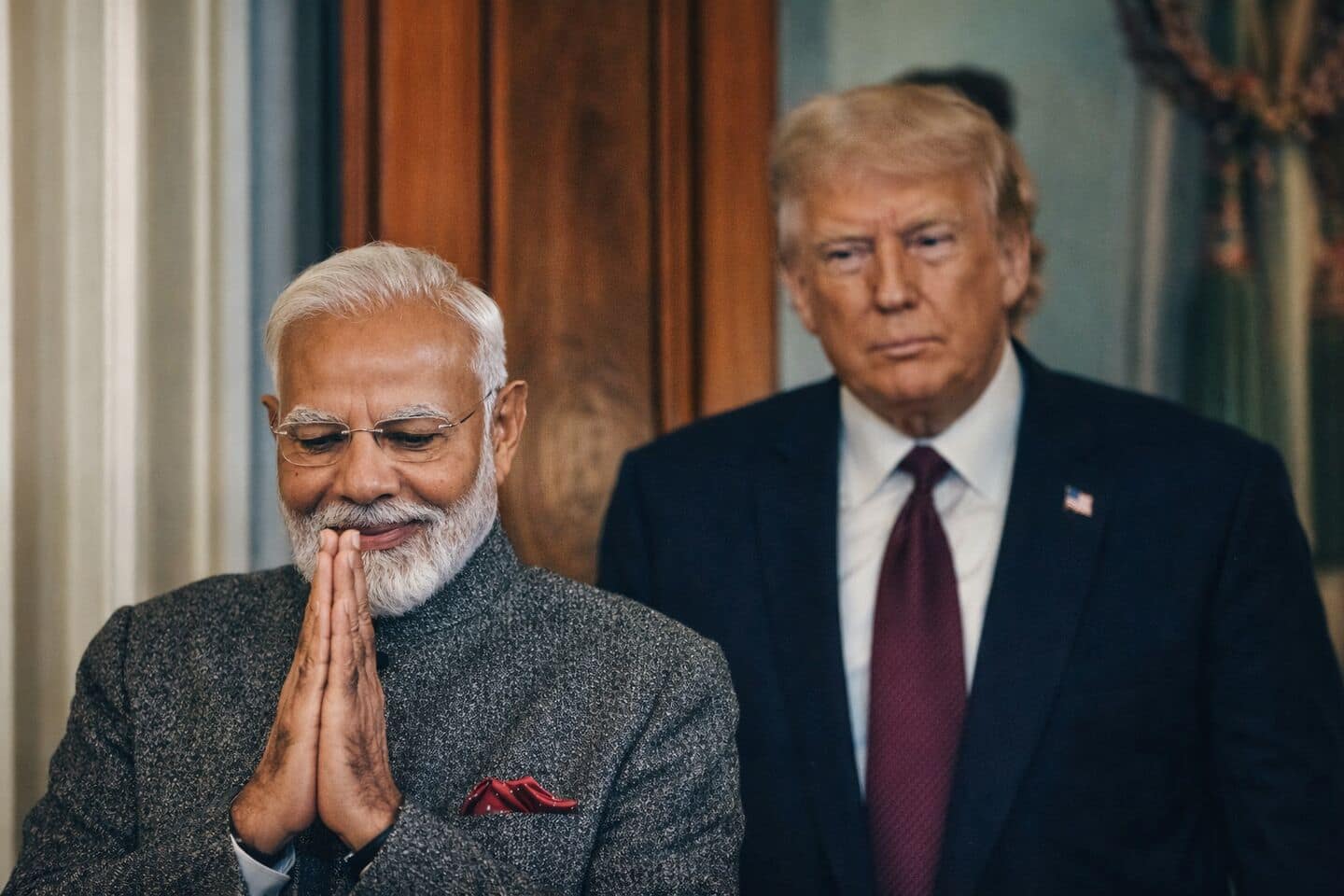
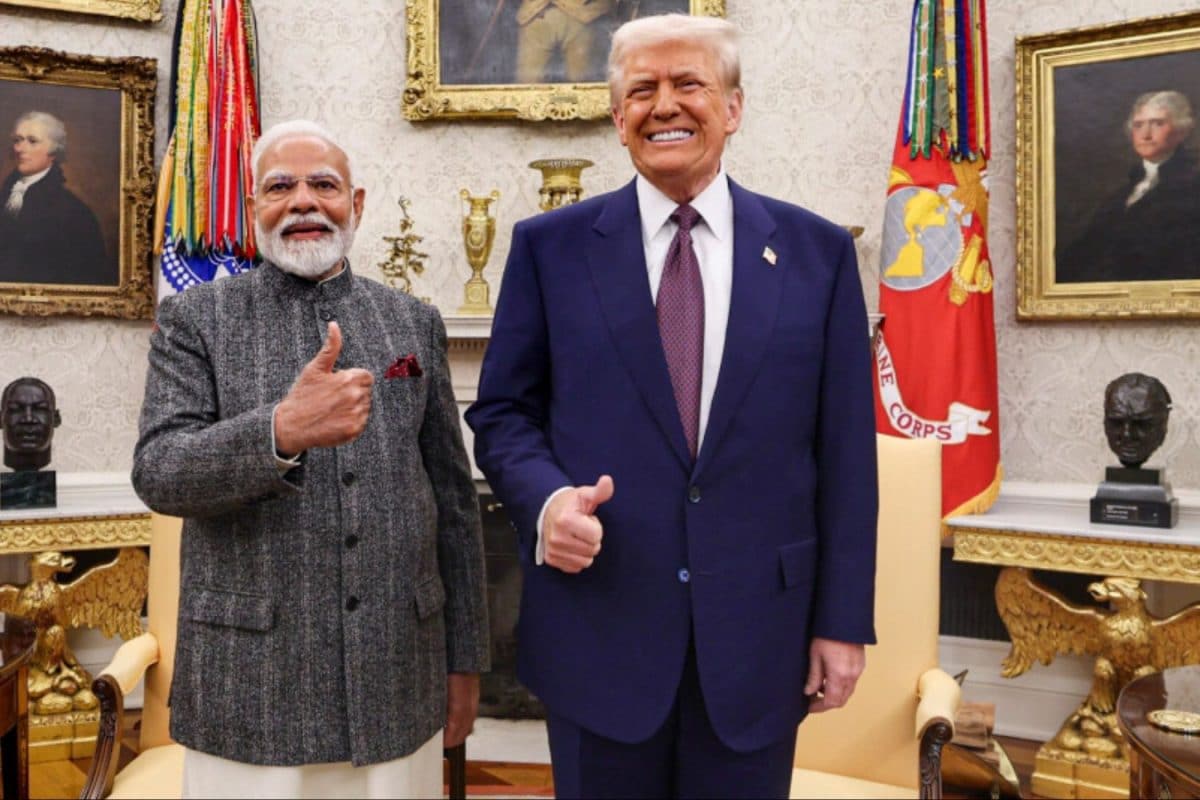
comes from Doug Lutnick, who has provided insights into the matter. According to Lutnick, the lack of a phone call from Indian Prime Minister Narendra Modi to former US President Donald Trump played a role. It seemed that this crucial communication was missing during the critical period of negotiations. This detail suggests that high-level engagement and perhaps personal rapport are critical in the complex world of international trade. While the absence of a single phone call doesn't fully explain the breakdown, it underscores the importance of diplomatic efforts and communication between leaders in sealing such significant deals.
Diplomacy and Dealmaking
The intricacies of international trade agreements go far beyond simple economic considerations. Political dynamics, diplomatic efforts, and the personal relationships between leaders often play a crucial role in determining the success or failure of negotiations. The apparent absence of a phone call from Prime Minister Modi to President Trump potentially created a void in high-level engagement. This could have hindered the progress of the trade talks. This situation underscores the importance of maintaining open communication channels and cultivating strong relationships between leaders. This is especially true when dealing with sensitive and complex issues like trade, which involve multiple layers of negotiation and compromise. It highlights how the personal touch and proactive diplomacy at the highest levels can often be decisive factors in bridging differences and achieving mutual agreements.
Beyond Phone Calls
While the lack of communication may have been a contributing factor, it's crucial to understand that it wasn't the sole reason for the failed deal. Trade negotiations are multifaceted, involving a range of issues. These include tariffs, market access, regulatory differences, and intellectual property rights. Each of these components requires careful consideration and negotiation. Different perspectives and conflicting interests can make finding common ground extremely challenging. Furthermore, the political climates in both countries, including domestic pressures and policy priorities, are critical influences. The failure can thus be attributed to a combination of factors, including the absence of high-level communication, the complexity of the issues, and the differing priorities of each nation.
The Larger Picture
The failure of the US-India trade deal is more than just a missed opportunity for economic growth. It reflects the broader complexities of international relations and trade dynamics. Trade agreements serve as a tool for strengthening partnerships, fostering economic growth, and tackling shared global challenges. The breakdown in negotiations underscores the need for clear communication, careful planning, and a willingness to compromise on both sides. Moreover, this situation emphasizes the need for continuous dialogue and relationship-building to foster trust and understanding between nations. Looking ahead, both the United States and India need to navigate the complexities of international trade to capitalize on opportunities. They can work together toward mutually beneficial outcomes that support economic prosperity and global stability.