




Strong Room Vigil
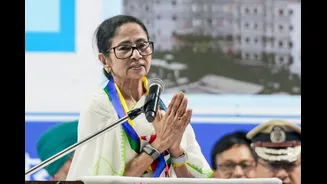
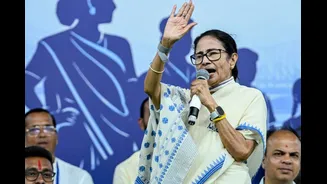
Following Chief Minister Mamata Banerjee's call for vigilance over EVM strong rooms, political heat intensified in Kolkata. TMC candidates Kunal Ghosh
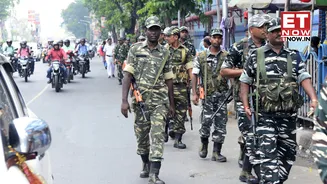
and Shashi Panja, along with party workers, initiated a protest, known as a dharna, at the Khudiram Anushilan Kendra, citing fears of electronic voting machine tampering. The situation drew the attention of BJP candidates as well, who also arrived at the location. Earlier in the evening, Banerjee herself visited a strong room at the Sakhawat Memorial Girls High School, which houses EVMs for her Bhabanipur constituency, spending several hours there until midnight. The area saw gatherings of supporters from both the TMC and BJP, necessitating a significant police presence. Banerjee later articulated her concerns, mentioning that she had requested proper facilities for candidates and election agents and had personally observed EVMs being opened at the Netaji Indoor Stadium, which prompted her visit to ensure votes were not forcibly manipulated in a democratic process. She emphasized her restraint in not mobilizing larger crowds despite the proximity.
Allegations and Rebuttals
The Trinamool Congress took to the social media platform X to issue a statement, accusing the Bharatiya Janata Party of collaborating with the Election Commission to manipulate ballot boxes and EVMs, labeling it a 'murder of democracy'. The party's specific claim revolved around CCTV footage purportedly showing ballot boxes being opened without the presence of authorized representatives from political parties. However, election officials were quick to dismiss these allegations of tampering as baseless. Chief Electoral Officer Manoj Agarwal asserted that "nothing has been done out of the statutory procedure of ECI." While maintaining that the claims were unfounded, he indicated that a report was being sought, and stern action would be taken if any legal procedure was indeed breached. Smita Pandey, the District Election Officer of North Kolkata, elaborated on the situation at Khudiram Anushilan Kendra, clarifying that the activity observed was the segregation of postal ballots. She explained that Assistant Returning Officers (AROs) were conducting this process in a corridor, a task that had been communicated to all political parties to commence from 4 pm. Pandey confirmed that after the allegations arose, they facilitated a viewing for the protesting candidates, demonstrating that the process adhered strictly to the Election Commission's Standard Operating Procedure (SOP) and that no breach of the strong room occurred, with all activities being duly recorded.
Enhanced Security Measures
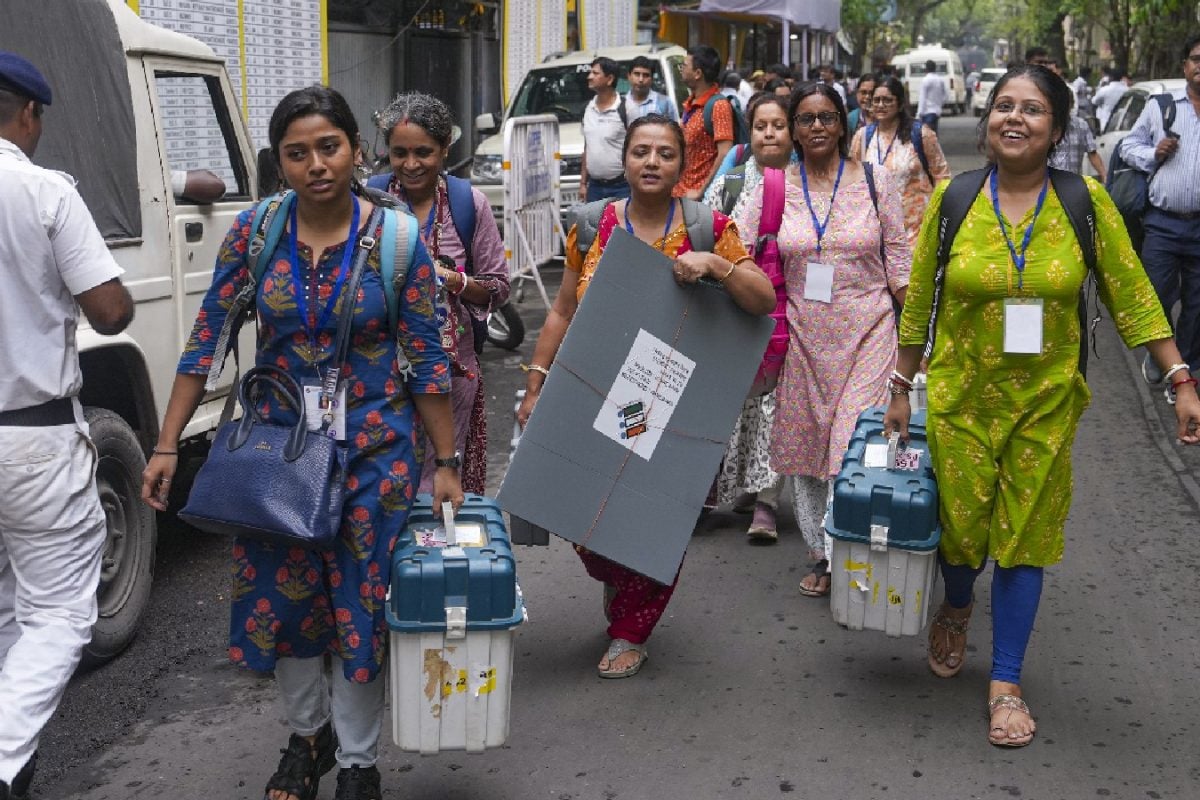
These developments occurred subsequent to the Election Commission's introduction of a QR code-based ID system designed to bolster security at counting centers. In a press note, the Election Commission detailed its initiative to prevent unauthorized access to counting areas by implementing a QR code-based Photo Identity Card module within the ECINET system. A comprehensive three-tier security protocol has been established for identity verification at these centers. The initial two tiers involve manual checking of Photo Identity Cards issued by Returning Officers. The final and innermost security layer, positioned closest to the counting halls, mandates entry only after successful verification via QR code scanning. The EC clarified that these newly implemented QR code-based Photo Identity Cards are designated for individuals authorized by the ECI to enter counting centers and halls. This authorized group encompasses Returning Officers, Assistant Returning Officers, counting staff, technical personnel, candidates, election agents, and counting agents, among other specified roles.