
New AI Coding Workspace
In the rapidly evolving domain of artificial intelligence, the focus is increasingly shifting towards practical applications like software development.
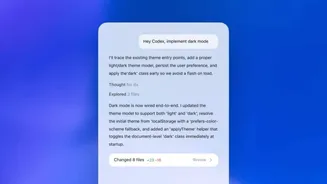
OpenAI has stepped up its game with the introduction of a dedicated desktop application for its Codex coding assistant. This move is a strategic effort to solidify its position against a growing number of competitors who are making AI an indispensable part of a programmer's daily toolkit. While AI chatbots initially captured public attention, the field of coding has quietly emerged as one of the most significant and lucrative areas for AI advancements. OpenAI's vision for the Codex app extends beyond simple code generation; it is designed as a comprehensive workspace. Users can orchestrate and oversee the operation of several AI "agents" concurrently, allowing them to undertake extended and intricate tasks. These AI agents are capable of a wide range of functions, including writing and modifying code, conducting thorough research, and performing data analysis, all contributing to the completion of larger, more ambitious projects. The overarching objective is to simplify the development process by minimizing the constant context-switching and redundant efforts that developers often experience when dealing with numerous tools and responsibilities.
Beyond Code Generation
The significance of this new application was underscored by OpenAI CEO Sam Altman, who expressed a mix of excitement and apprehension about the future of AI. He shared a personal anecdote about building an application with Codex, finding the experience not only enjoyable but also surprisingly insightful. Altman revealed that when he prompted the AI for new feature ideas, it offered suggestions that surpassed his own initial thoughts. This experience, while exhilarating, also led to a moment of reflection on the evolving role of human creativity alongside AI, leading him to feel a bit redundant, a sentiment he described as sad. This personal glimpse into the power of AI-driven ideation highlights the profound impact these tools are beginning to have. The competitive landscape in AI coding is intensifying, with companies like Anthropic making significant strides. Their Claude Code tool has reportedly achieved an impressive annualised revenue run rate of $1 billion within just six months of its release, a testament to the immense value and market demand for such specialized AI solutions within the business sector.
Future of Collaboration
Industry experts suggest that current AI coding tools, while powerful, are not yet poised to completely supplant human software engineers. These systems can still falter, misinterpret project objectives, or struggle with highly specialized or complex technical systems. However, the productivity gains offered by these tools are undeniable. Tasks that previously required hours of manual effort can now be accomplished in a fraction of the time, freeing up developers to concentrate on higher-level strategic aspects of their work, such as planning, architectural design, and complex problem-solving. Sam Altman has characterized AI models as exceptionally diligent collaborators, pointing out that unlike humans, they do not suffer from lapses in concentration or motivation. They can tirelessly refine solutions as long as they are directed to do so. By consolidating Codex into a standalone desktop application, OpenAI aims to foster a more intuitive and seamless collaborative experience between human developers and their AI counterparts, making advanced AI assistance a more integrated and natural part of the software development lifecycle.